Short answer
Emergency cold storage is refrigerated space you can rent within hours or days. Small cooler trailers hold 2–6 pallets on a single-phase outlet, reefer trailers about 26 US pallets on their own diesel unit, and 20 ft or 40 ft reefer containers 28 or 67 m³ at −30 °C to +30 °C on three-phase power. Public cold stores rent space by the pallet.
Key takeaways
- A closed, full freezer usually keeps food frozen about 48 hours (24 hours half full) and a closed fridge about 4 hours, per USDA guidance.
- Small towable cooler trailers hold about 2–6 pallets and often run from a single-phase outlet; many cannot hold −18 °C (0 °F) in summer.
- Reefer containers give 28 m³ (20 ft) or 67 m³ (40 ft high-cube) at −30 °C to +30 °C but usually need 380–460 V three-phase power or a generator.
- Reefer trailers run on their own diesel unit and hold about 26 standard US pallets in a 53 ft box.
- Indicative US rental for a small cooler trailer or refrigerated box truck is roughly US$150–400 per day before delivery, fuel and insurance.
- If you would rent for more than about 6–12 months in total, buying a walk-in cold room or container usually costs less.
What is emergency cold storage?
Emergency cold storage is refrigerated space you can get within hours or days when your own fridge, freezer or cold room fails, the power goes out, or a harvest, event or recall suddenly needs more capacity. The usual options are a refrigerated trailer rental, a refrigerated container rental (reefer hire), a portable walk-in cooler or freezer rental, or pallet space in a public cold storage warehouse.
The right choice depends on four questions: how much product you must protect, at what temperature, how fast you need it, and whether you have the power supply and ground space for a unit on site. The table below compares the options before we look at each one.
| Option | Typical capacity | Temperature range | Power needed on site | Typical lead time |
|---|---|---|---|---|
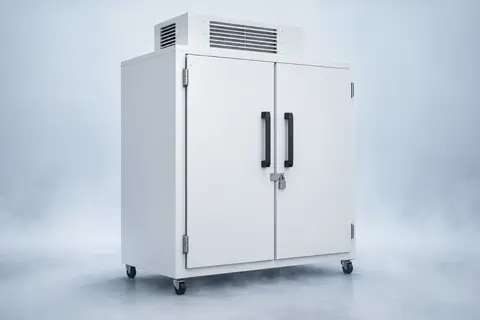
| Small towable cooler or freezer trailer | 6–16 ft (1.8–4.9 m) box, about 2–6 pallets | About +2 °C to −20 °C (36 °F to −4 °F), model dependent | Single-phase 120/230 V outlet, or onboard generator | Same day to 2 days |
| Reefer container, 20 ft or 40 ft | About 9–10 or 20 standard pallets; 28 or 67 m³ | About −30 °C to +30 °C (−22 °F to 86 °F) | Usually 380–460 V three-phase, or a clip-on generator | 1–5 days, plus crane or tilt-bed delivery |
| Reefer trailer (53 ft US / 13.6 m EU) | About 26 US or 33 EU pallets | About −29 °C to +30 °C (−20 °F to 86 °F) | None: own diesel unit; electric standby optional | Same day to 2 days in most regions |
| Portable walk-in cooler or freezer rental | From about 2 × 2 m (6 × 6 ft) up | Chiller 0 °C to +5 °C or freezer to −20 °C | Single- or three-phase supply, flat level ground | 2–10 days, includes assembly |
| Public cold storage warehouse space | From one pallet | Chilled, frozen, sometimes deep-frozen | None: you truck product in | Hours to days, depends on space |
Lead times and availability vary by region and season. Summer heat waves, holidays and storms raise demand sharply, so businesses that cannot afford a loss usually pre-arrange a supplier as part of a contingency plan.
What should you do first when a cold room or freezer fails?
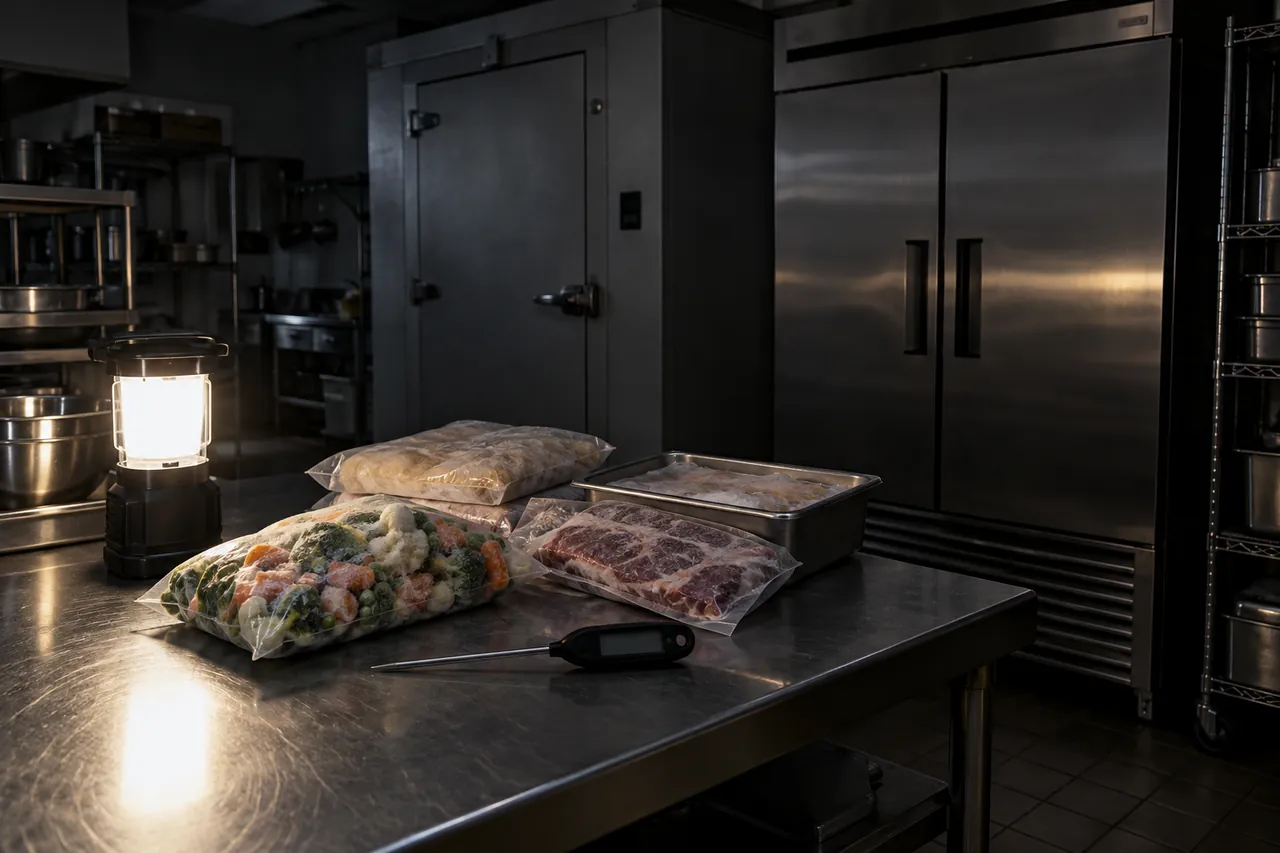
Keep the doors shut, record the product temperature, call for repair and arrange backup storage at the same time. A closed, full freezer usually keeps food frozen for about 48 hours (24 hours if half full) and a closed fridge about 4 hours, according to USDA guidance, so the first hour is for decisions, not for opening doors.
- Close and seal the doors; put a notice on them.
- Record air and product core temperatures and the time, for HACCP or GDP records; see our cold room temperature monitoring guide.
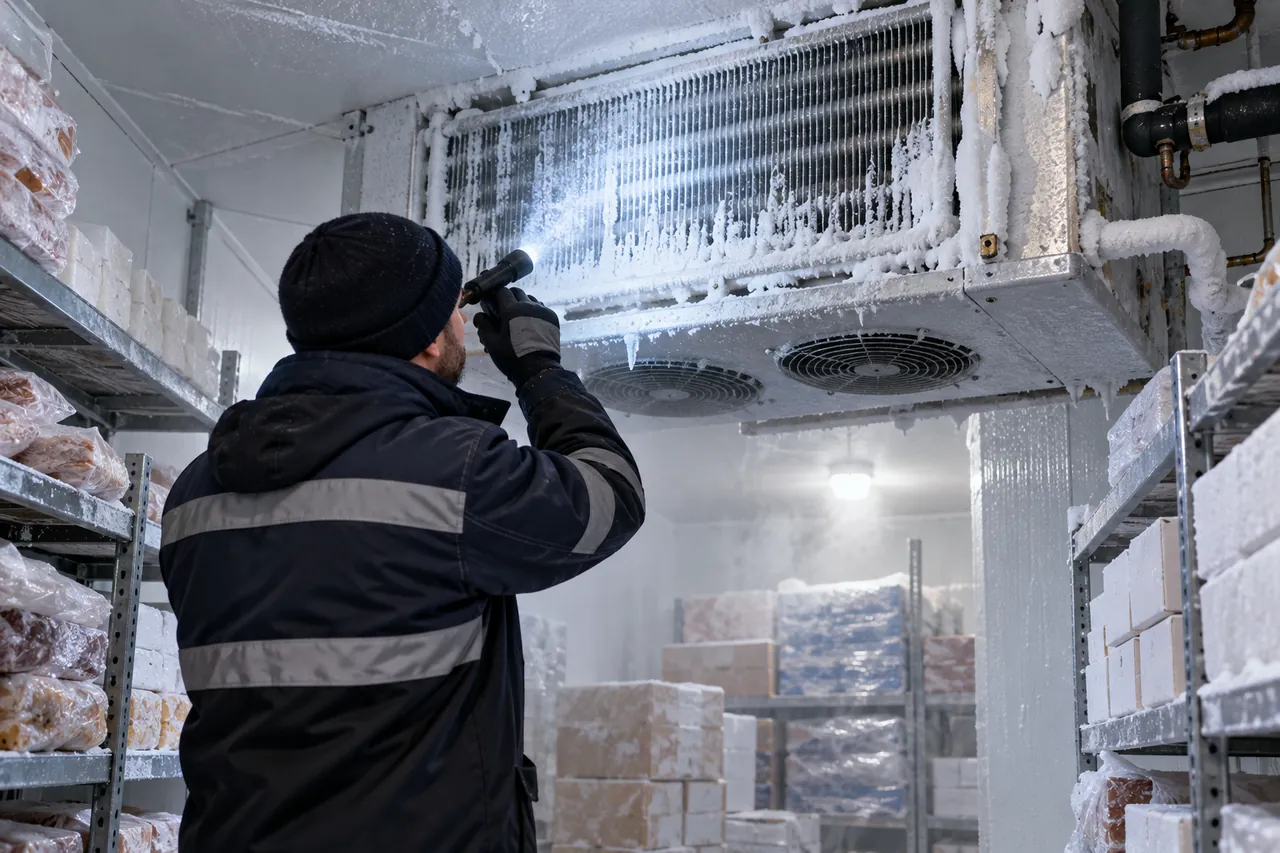
- Check the obvious causes: power, breaker, controller display, condenser fan, an iced evaporator or a door left ajar. Our walk-in freezer and cooler troubleshooting guide lists the common faults.
- Call your refrigeration contractor and ask for an honest estimate of repair time and parts availability.
- If the repair will take longer than your product can wait, book backup storage now: a trailer or container close to the loading door, or space at a public cold store.
- Move product in priority order: high-value and high-risk first (meat, seafood, dairy, medicines), then the rest.
- Assess product that went warm. Under USDA guidance, perishable refrigerated food held above 4 °C (40 °F) for more than 2 hours should be discarded; frozen food that still has ice crystals or is at 4 °C (40 °F) or below can usually be refrozen.
For detail on how long food lasts and what to keep or discard, see food storage times and power outages. Medicines and vaccines follow the manufacturer's stability data and your quality procedures, not food rules.
How does refrigerated trailer rental work?
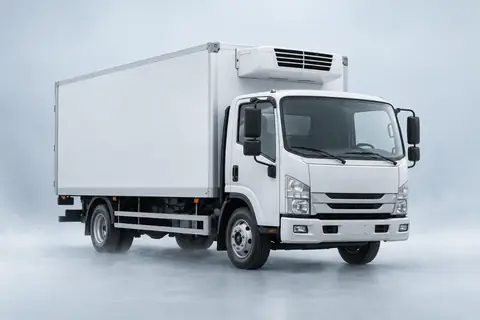
A freezer trailer rental or cooler trailer rental gives you a mobile, self-contained cold box that is delivered or towed to your site, plugged in or run on its own diesel unit, and collected when you are done. Small cooler trailers suit restaurants, caterers and events; full-size reefer trailers suit warehouses, processors and supermarkets that need dozens of pallets.
Small cooler and freezer trailers
A small refrigerated trailer for rent is usually a 6–16 ft (1.8–4.9 m) insulated box on a single or tandem axle with a plug-in refrigeration unit. Many run on a standard single-phase outlet, which makes them the quickest backup for a restaurant walk-in. Check whether the unit is a cooler only or a true freezer trailer: many small trailers are built for 0 °C to +5 °C and cannot hold −18 °C (0 °F) in summer.
Full-size reefer trailers
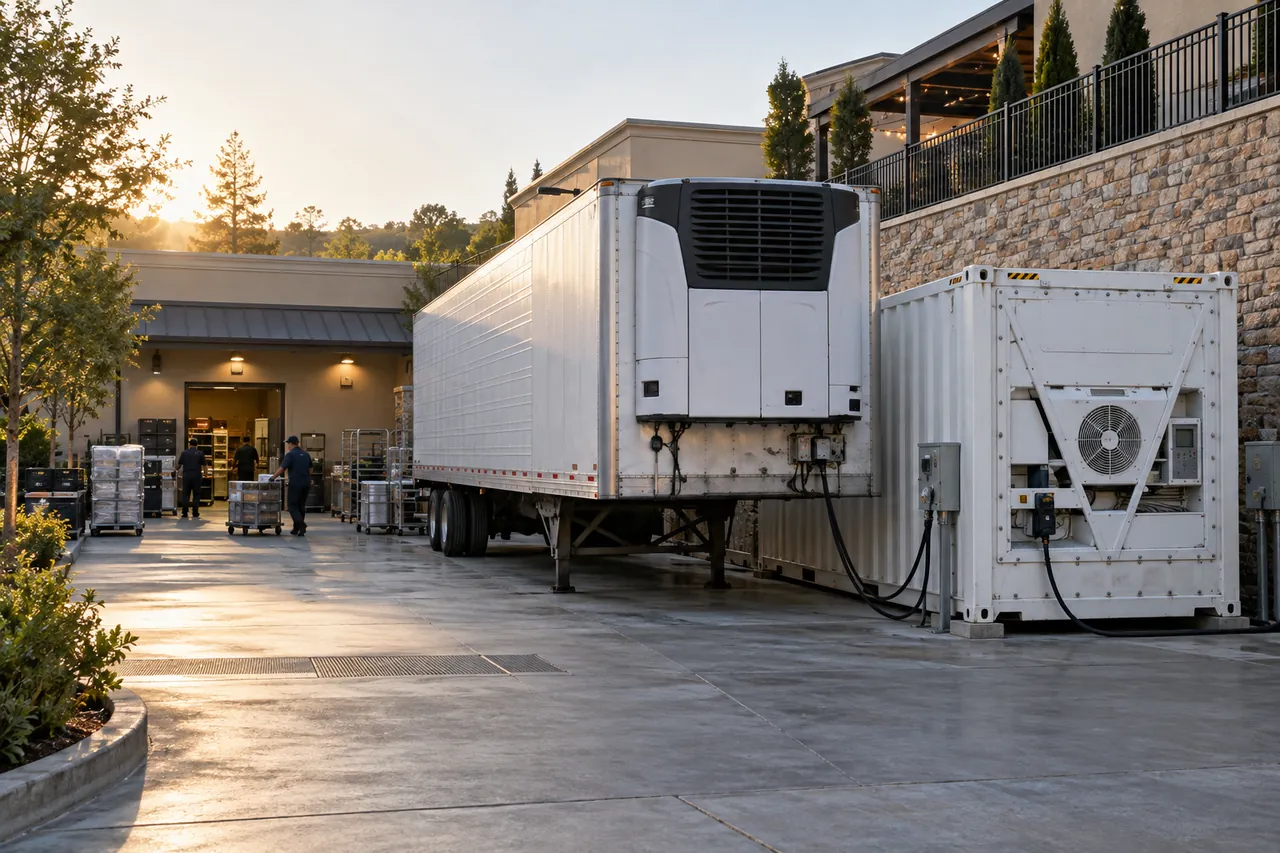
A semi-trailer reefer has a nose-mounted diesel refrigeration unit that runs without site power, so it can be parked at a dock and loaded with a pallet truck. Budget for fuel: a reefer unit holding frozen product in hot weather can burn several litres of diesel per hour. See our reefer trailer guide for dimensions and set-up.
Can you rent a refrigerated truck?
Yes. Truck rental firms and specialist reefer fleets rent refrigerated box trucks and vans by the day, week or month, and some include a driver. A truck makes sense when you need to move product as well as store it. Indicative pricing in the US runs from roughly US$150–400 per day for a refrigerated box truck or small cooler trailer, before mileage, fuel, insurance and delivery fees; long-term rates per month are lower per day. Prices vary widely by market and season, so get two or three quotes.
When is a reefer container better than a trailer?
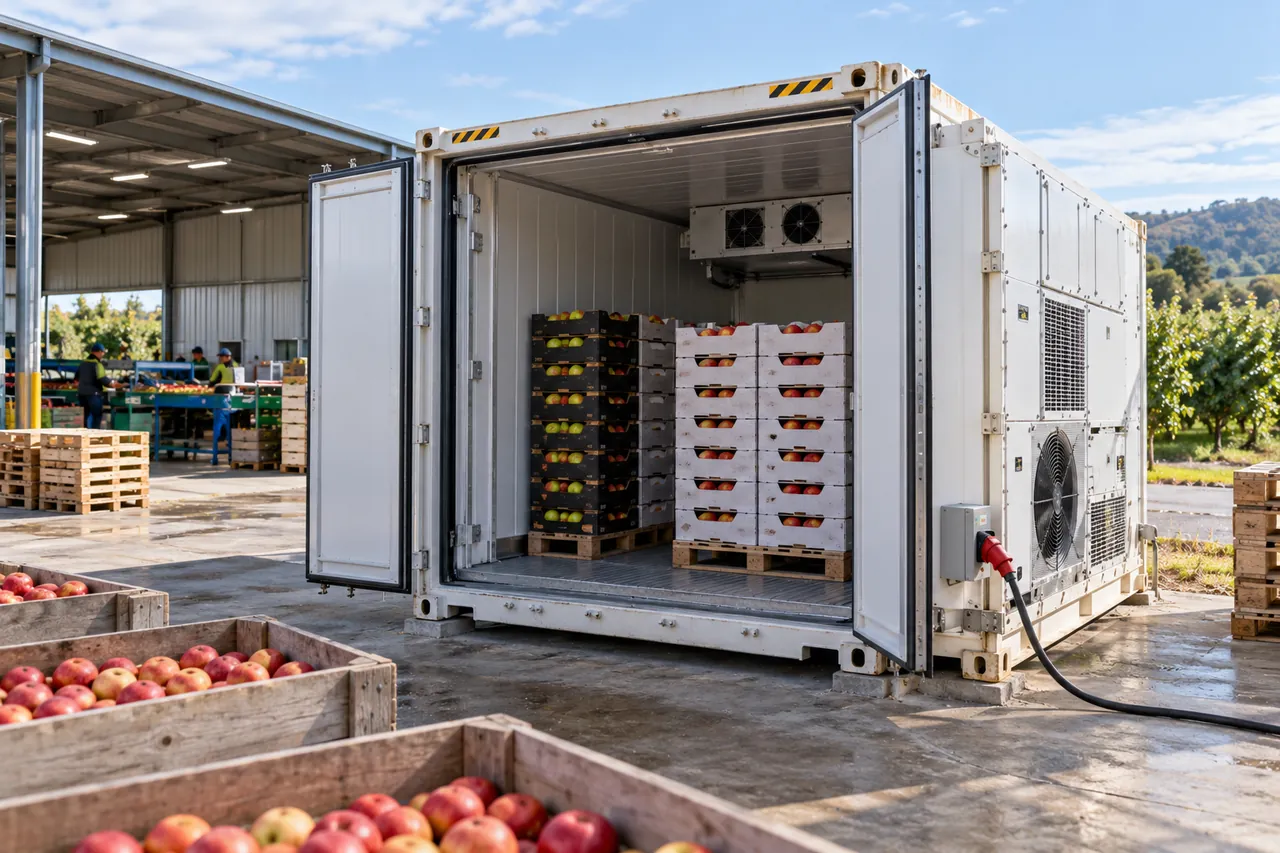
A reefer container is better than a trailer when you need storage for weeks or months on a fixed site with three-phase power, because it is cheaper to rent long term, very robust and can sit on level ground without a tractor unit. Trailers win for short emergencies, docks and sites without three-phase power.
A 20 ft reefer gives about 28 m³ (990 ft³) and a 40 ft high-cube about 67 m³ (2,370 ft³), each holding −30 °C to +30 °C. Most need a 380–460 V three-phase supply with a 32 A industrial plug, drawing roughly 3–10 kW depending on size, set point and weather; without that supply, the rental firm can add a clip-on or ground diesel generator. Delivery needs a tilt-bed truck or crane and firm, level ground.
For running costs, power and how to turn a container into a semi-permanent store, read reefer container as cold storage; for new, used and rental pricing see reefer container price: new, used and rental.
What about portable walk-in cooler and freezer rental?
A portable walk-in cooler rental or freezer rental is a panel-built cold room, or a fully assembled modular unit, that the rental company installs on your site with its own refrigeration. It suits events, kitchen refits and seasonal peaks of a few weeks to a few months, where staff need to walk in and pick products by hand.
Points to check:
- Floor: a cooler can often sit on a level slab; a freezer needs an insulated floor or floor panels and a ramp.
- Power: confirm voltage, phase and amps of the condensing unit before delivery.
- Space and access: allow at least 600 mm (24 in) around the room and clear air flow to the condensing unit.
- Assembly time: a small room takes a crew a few hours to a day; larger rooms longer.
- Monitoring: ask for an alarm or add your own logger, especially for unattended sites.
If the "temporary" need is really permanent, for example storage you rent every summer, buying a cold room kit is usually cheaper over two or three seasons.
How much does it cost to rent cold storage?
Cold storage rental costs depend on size, temperature, rental length, delivery distance and season, and are always quoted locally. As indicative ranges in the US market, small cooler trailers and refrigerated box trucks often cost about US$150–400 per day, and public cold storage warehouse space is charged per pallet per month plus handling fees for each pallet in and out.
| Cost item | What drives it | Tip |
|---|---|---|
| Daily, weekly or monthly rental | Unit size, freezer vs cooler, season | Monthly rates are much lower per day than daily rates |
| Delivery and collection | Distance, crane or tilt-bed for containers | Often a flat fee each way; ask before booking |
| Power or fuel | Set point, ambient temperature, door openings | Freezers in summer cost far more to run than coolers in winter |
| Generator rental | Needed if no suitable supply on site | Size for start-up current; ask the rental firm |
| Public cold store handling | Per pallet in, out and per month | Small, frequent picks raise handling costs fast |
| Damage waiver and insurance | Value of unit and product | Check whether product loss from unit failure is covered |
The real cost to compare is not the rental fee alone but the value of product at risk and the lost sales if you cannot trade. For a restaurant, a day's stock in a walk-in can be worth more than a week of trailer rental.
Should you rent or buy temporary cold storage?
Rent temporary cold storage when the need is genuinely short, a few days to a few months, or when you are waiting for a permanent solution to be built. Buy when you would rent for more than roughly 6–12 months in total, or the same peak recurs every year, because ownership of a cold room or container usually costs less over that period.
A permanent walk-in cooler or freezer kit also solves the root problem: many emergencies happen because a business has outgrown one old cold room with no redundancy. Practical approaches include:
- Two smaller cold rooms instead of one large one, so a single failure does not stop the business.
- Two condensing units on a large room, each able to hold temperature on its own in mild weather.
- A temperature alarm that calls a phone 24 hours a day, so failures are caught before product warms.
- A maintenance contract with coil cleaning and pre-summer checks.
Use our cold room refrigeration load calculator to size a permanent room, and see walk-in cooler cost for indicative installed prices.
How to choose emergency cold storage: checklist
- Volume: count pallets or cases that must be protected, plus 20% for air flow and access.
- Temperature: chilled (0 °C to +5 °C / 32–41 °F), frozen (−18 °C / 0 °F or colder) or pharmaceutical (+2 °C to +8 °C / 36–46 °F).
- Time: hours (trailer or public cold store), weeks (container or portable walk-in) or permanent (buy).
- Site: ground space, level hard standing, access for delivery vehicles, distance to the loading door.
- Power: single-phase, three-phase or none; arrange a generator if needed.
- Monitoring: logger and alarm in every temporary unit, with records kept.
- Compliance: food safety or GDP requirements; for medicines, temporary storage may need mapping and qualification.
- Exit plan: if the need will last more than about 6–12 months, price a permanent cold room.
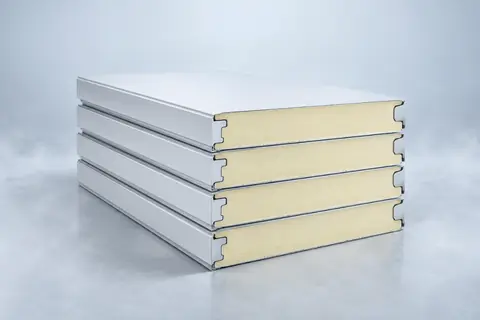
Be There does not rent equipment, but it supplies the permanent fix: complete walk-in cooler and freezer kits with PU or PIR panels of 75–200 mm, insulated doors, matched condensing units and digital controllers, plus insulation panels to build larger cold stores. Chillers hold 0 °C to +10 °C and freezers −18 °C to −25 °C. Send your room size, temperature, product and power supply through the inquiry form and we will quote FOB, CIF or DDP.