Short answer
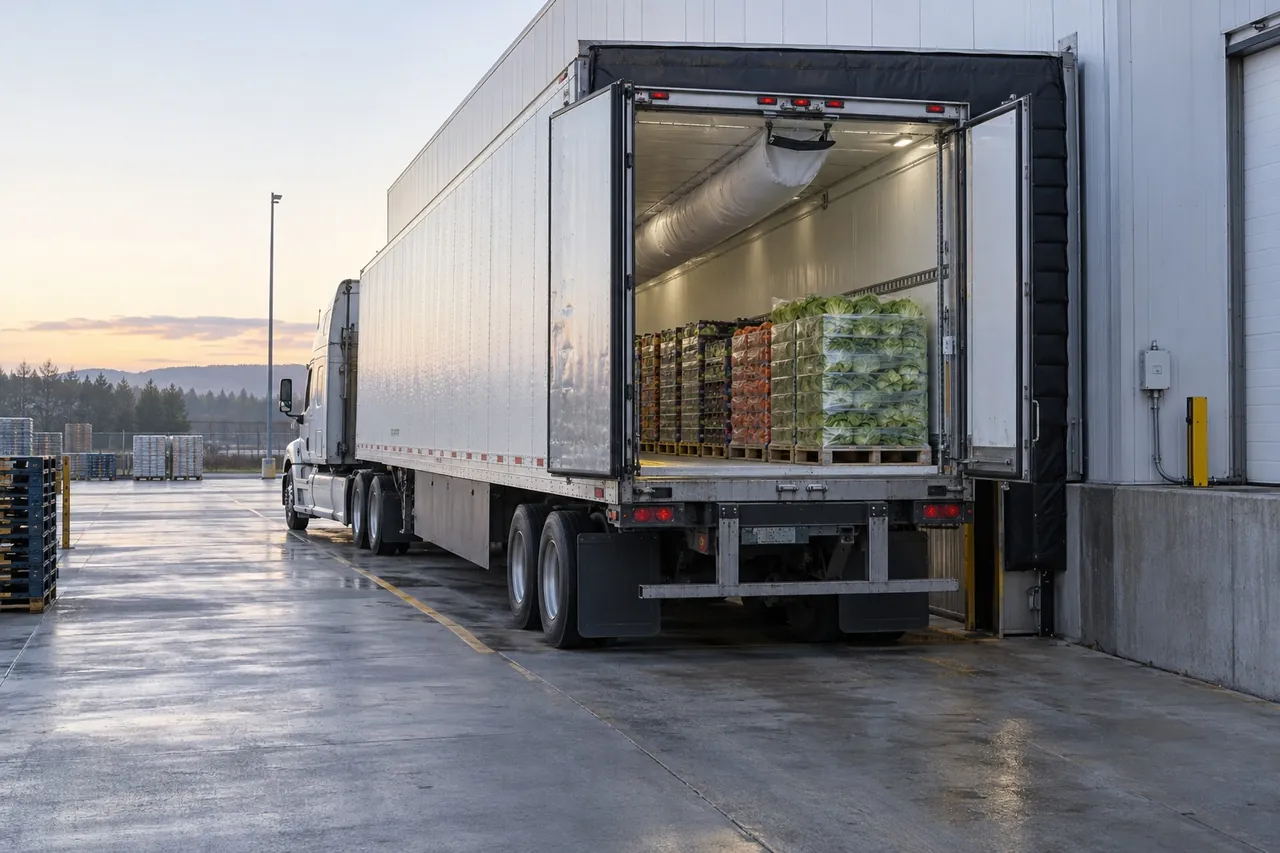
A reefer trailer is an insulated, refrigerated semi trailer with a nose-mounted reefer unit that holds cargo from about −29 °C to +30 °C (−20 °F to 86 °F). The standard US 53 ft reefer trailer is about 52 ft long, 98–100 in wide and 100–108 in high inside, carrying 26 standard pallets or roughly 43,000–45,000 lb (19.5–20.4 t).
Key takeaways
- A 53 ft reefer trailer holds 26 pallets of 48 × 40 in (1,219 × 1,016 mm) single-stacked, with about 3,800–4,000 cu ft (108–113 m³) of interior space.
- Reefer trailer walls use about 50–100 mm (2–4 in) of polyurethane foam, so interior width is a few inches less than a dry van.
- Diesel reefer units typically burn about 2–4 L (0.5–1 gal) of fuel per hour; electric and hybrid units cut fuel use and noise.
- When buying a used reefer trailer, check unit engine hours, a pull-down test, insulation condition, floor and air chute before price.
- Typical 2026 US prices run from about $65,000–$110,000 new to $15,000–$80,000 used, depending on age, unit and specification.
What is a reefer trailer?
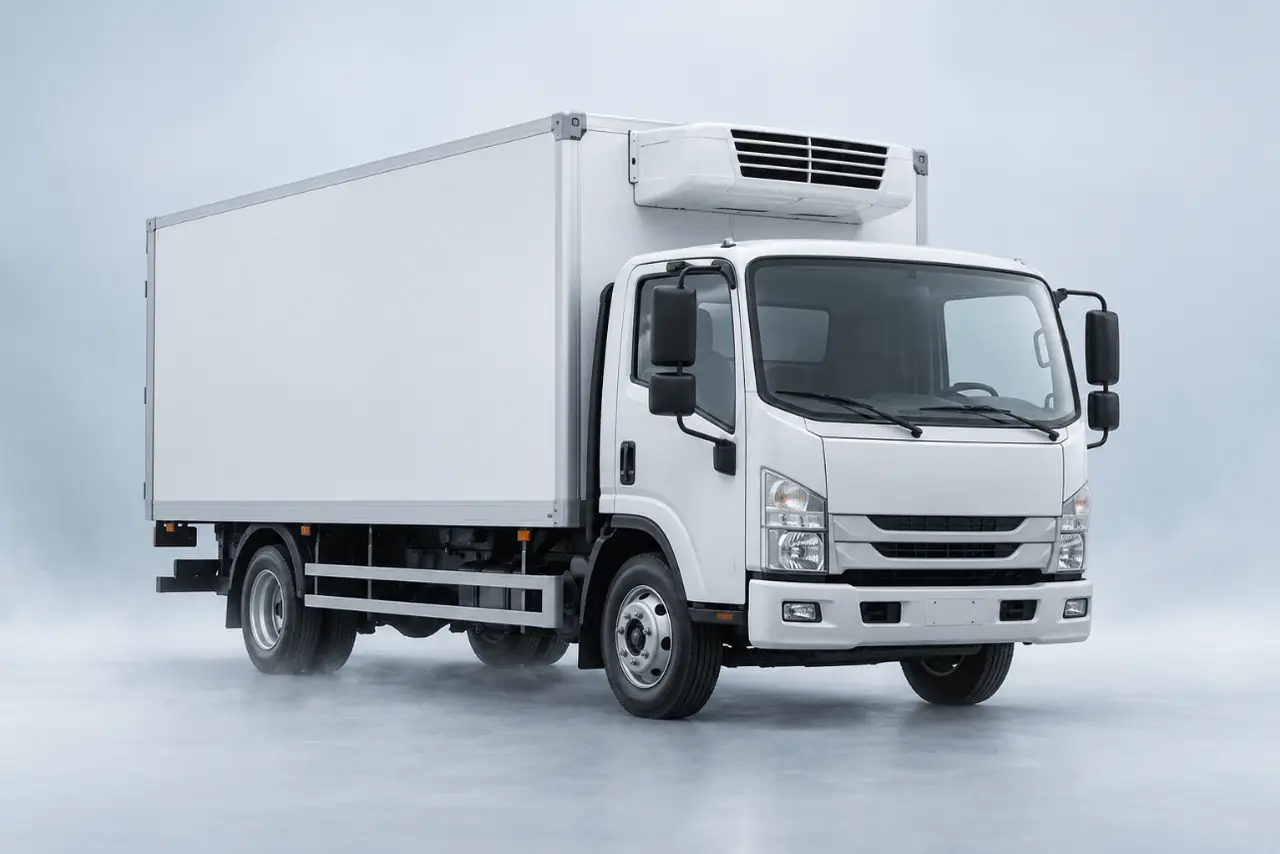
A reefer trailer is a semi trailer with an insulated body and its own refrigeration unit, used to haul chilled or frozen cargo by road. "Reefer" is short for refrigerated; you will also see refrigerated trailer, reefer semi trailer and refrigerated semi trailer used for the same thing. The unit sits on the front wall (the "nose"), runs on its own diesel engine, electric power or both, and holds the load at a set point anywhere from about −29 °C to +30 °C (−20 °F to 86 °F).
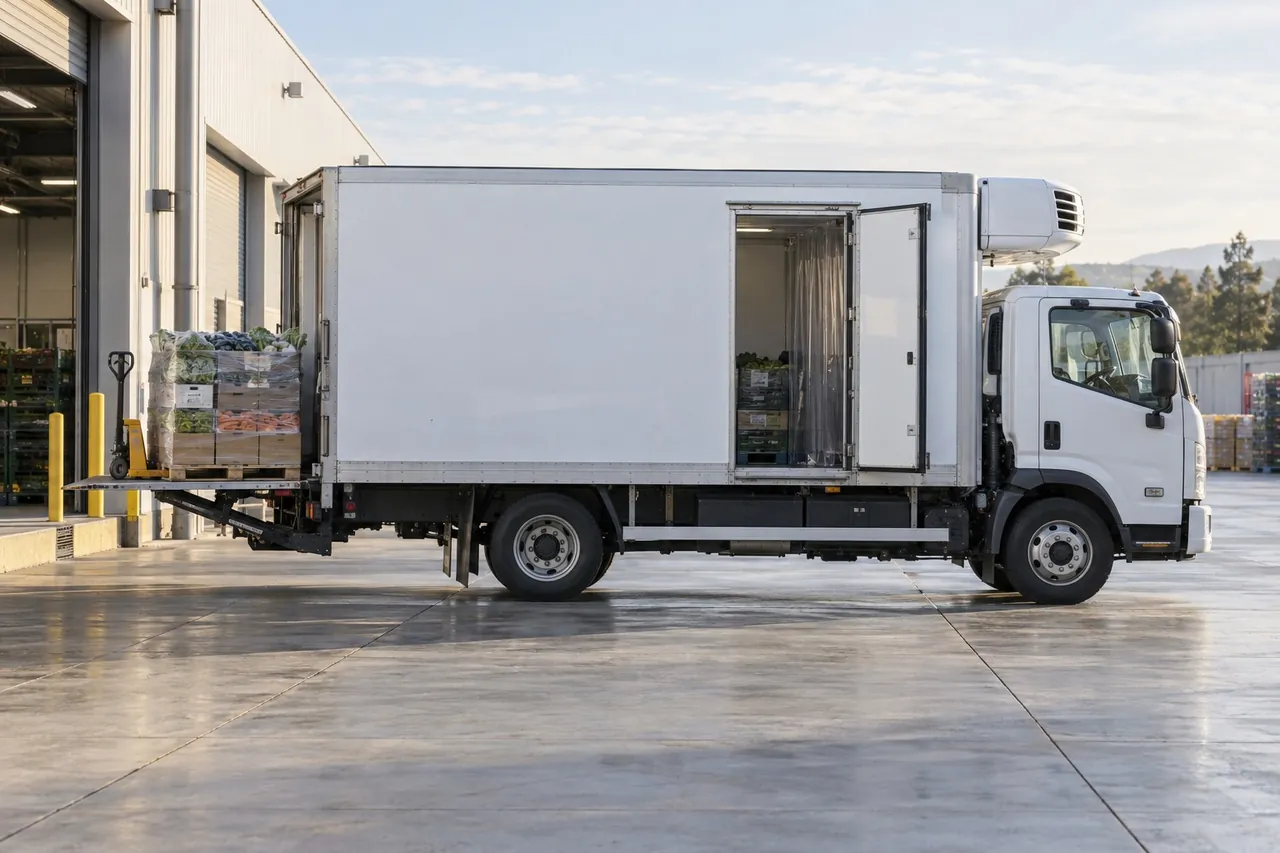
Reefer trailers carry fresh produce, meat, dairy, seafood, frozen food, ice cream, flowers, pharmaceuticals and chemicals. Unlike a reefer truck, the trailer is pulled by a separate tractor, so one tractor can work with several trailers and the trailer can sit at a dock running on its own fuel or on shore power.
Three things set a reefer trailer apart from a dry van:
- Insulated body – polyurethane foam in the walls, roof, floor and doors, with seals designed to limit air leakage.
- Reefer unit – a self-contained refrigeration and heating system with its own controller.
- Air management – a ducted floor, ceiling air chute and front bulkhead that move cold air around and under the load.
This guide covers reefer trailer sizes, how trailer refrigeration works, unit options and what to check when buying a reefer trailer new or used.
Reefer trailer dimensions and sizes
The 53 ft reefer trailer is the North American standard. Other reefer trailer sizes exist for regional and city work. Interior dimensions vary by builder, wall thickness and unit mounting, so treat the figures below as typical and confirm on the spec sheet.
| Trailer | Typical interior length | Interior width | Interior height | Pallets (48 × 40 in) | Typical use |
|---|---|---|---|---|---|
| 53 ft refrigerated trailer | About 52 ft (15.8 m) | 98–100 in (2.49–2.54 m) | 100–108 in (2.54–2.74 m) | 26 | Long-haul, distribution centres |
| 48 ft reefer | About 47 ft (14.3 m) | 98–100 in | 100–108 in | 24 | Regional, older fleets |
| 28 ft pup reefer | About 27 ft (8.2 m) | 96–100 in | 96–104 in | 12–14 | City and multi-drop |
| Small bumper pull reefer | 8–16 ft (2.4–4.9 m) | About 5–7 ft (1.5–2.1 m) | About 6–7 ft (1.8–2.1 m) | 2–6 | Caterers, farms, events |
The overall size of a 53 ft refrigerated trailer is typically 53 ft long, 102 in (2.59 m) wide and up to 13 ft 6 in (4.11 m) high on US roads. Empty weight with the unit is usually around 14,500–16,500 lb (6.6–7.5 t), leaving about 43,000–45,000 lb (19.5–20.4 t) of payload under the common 80,000 lb gross limit with a typical 53 ft truck tractor. Reefer trailer dimensions differ in Europe, where a refrigerated semi trailer is usually 13.6 m (44.6 ft) long and carries 33 Euro pallets.
How does a refrigerated trailer work?
The reefer unit runs a standard vapour-compression cycle: a compressor pumps refrigerant to a condenser on the outside of the unit, where heat is rejected to ambient air, and on to an evaporator facing into the trailer, where it absorbs heat from the cargo space. Our guide on how truck refrigeration units work explains the cycle and reefer fuel in more detail.
What makes a trailer work well is air distribution:
- Cold supply air leaves the top of the evaporator at the front.
- A reefer trailer air chute, a fabric duct along the ceiling, carries it toward the rear doors and releases it evenly along the length, so pallets at the back get as much cooling as those at the front.
- Air falls through and around the load, picking up heat.
- It returns along a grooved aluminium "duct floor" under the pallets to the return-air opening at the bottom of the front bulkhead.
A reefer cannot cool warm product quickly; it is designed to hold temperature. Load pre-cooled product only, pre-cool the trailer, leave about 100–230 mm (4–9 in) clear above the load and keep the front bulkhead and duct floor clear. A torn or missing air chute is one of the most common causes of warm rear pallets. Defrost runs automatically on a timer or on demand when ice reduces airflow over the evaporator.
Reefer units: diesel, electric and hybrid
The reefer unit is the most expensive single component on the trailer, often around a quarter of the price of a new reefer trailer. Three power options are common:
| Unit type | Power source | Strengths | Watch-outs |
|---|---|---|---|
| Diesel reefer unit | Small diesel engine on the unit, own fuel tank | Independent of tractor, proven, long range | Fuel, noise, emissions rules, engine servicing |
| Diesel with electric standby | Diesel on the road, mains plug at the dock | Quiet and fuel-free at docks and yards | Needs compatible shore power on site |
| Electric reefer unit | Battery pack, axle generator and/or solar, plus shore power | Zero exhaust at the trailer, quiet for night deliveries | Higher price, battery range, charging plan |
A diesel reefer unit typically burns roughly 2–4 L (0.5–1 gal) of fuel per hour, depending on set point, ambient temperature and door openings, and usually has a tank of around 190 L (50 gal). Many fleets now specify electric reefer trailers or hybrids for city work and for sites with noise or emissions limits; some jurisdictions, notably California, regulate diesel transport refrigeration units, so check current local rules before you buy.
An electric refrigerated trailer still needs a well-insulated body: the better the box, the smaller the battery needed to hold temperature for a shift. Size the unit with a margin for door openings, as explained in our reefer unit sizing guide.
Multi-temp, spread axle and custom reefer trailers
Beyond length and unit, a few specifications change how a trailer earns money:
- Multi-temp reefer trailer – two or three compartments separated by movable insulated bulkheads, each with its own evaporator, so one trailer can carry frozen, chilled and ambient goods together. Popular with food service and grocery distribution. Check how far the bulkheads move and whether side doors are fitted.
- Axle layout – a sliding tandem lets drivers adjust weight distribution and turning; a 53 foot spread axle reefer with axles about 10 ft apart can carry more weight on the axle group in some states but scrubs tyres in tight turns.
- Doors – swing doors seal better than roll-up doors; side doors speed multi-drop deliveries.
- Floor – aluminium duct floor is standard; meat haulers may need rails for hanging carcasses.
- Wall thickness – thinner walls give more interior width; thicker walls and roof hold temperature better for frozen and ice cream loads.
- Telematics – remote temperature, set point and alarm data, which many shippers now require.
Custom reefer trailers from body builders can add load-locks, shelving, meat rails, curtains or liftgates. Every option adds weight, so check payload after customisation, and ask for the insulation K-value in writing.
Small refrigerated trailers: bumper pull and pull behind freezer trailers
Not every reefer is a semi. A small refrigerated trailer or bumper pull reefer trailer is towed by a pickup or van and is widely used by caterers, farmers' markets, butchers, florists, event companies, hunters and mobile food businesses, including mobile bakery and dessert trailers that need chilled storage on site.
Typical sizes are 5 × 8 ft to 7 × 16 ft (1.5 × 2.4 m to 2.1 × 4.9 m), giving about 5–20 m³ (175–700 cu ft) of cargo space. Cooling options include:
- Independent diesel or petrol unit – runs without the tow vehicle; good for events.
- Electric unit on 230 V or 115 V shore power – cheapest to run where mains is available, often with a generator option.
- Battery electric unit – quiet and emission-free for short trips and markets.
A pull behind freezer trailer needs thicker insulation, typically 75–100 mm (3–4 in) of PU foam, and a unit sized for −18 °C to −20 °C (0 °F to −4 °F). This is where Be There can help directly: our truck and trailer refrigeration units are built for boxes of 4–45 m³, in engine-driven, independent diesel and fully electric versions, holding −20 °C to +15 °C (−4 °F to 59 °F). Use the truck refrigeration calculator to estimate the cooling capacity your trailer needs.
Buying a reefer trailer: what to check before you pay
Whether you are browsing reefer trailers for sale from a dealer, a fleet auction or a private seller, inspect these items. Bring a mechanic who knows reefers if you can.
| Check | What good looks like | Red flags |
|---|---|---|
| Unit hours | Engine and electric hours on the controller match service records | No records, cleared hours, many alarms in history |
| Pull-down test | Empty trailer pulls down steadily to set point, e.g. −20 °F (−29 °C), and holds | Slow pull-down, short cycling, frequent defrost |
| Insulation | No wet or soft spots; even surface in thermal images | Bulging walls, delamination, extra weight from waterlogged foam |
| Floor and duct | Duct floor intact, drains clear | Holes, patched floor, standing water |
| Air chute and bulkhead | Chute intact full length | Torn or missing chute |
| Doors and seals | Seals soft and continuous, doors square | Light visible around doors, damaged hinges |
| Running gear | Brakes, tyres, suspension and lights pass inspection | Uneven tyre wear, air leaks |
| Paperwork | Title, inspection reports, emissions compliance label where required | Missing documents |
Foam insulation loses performance with age and moisture, so an older trailer may struggle with frozen loads in summer even if the unit is healthy. Ask what loads it hauled; a trailer that ran produce may be fine for chilled but marginal for ice cream.
How much is a reefer trailer? Prices and next steps
Typical US price ranges in 2026, before taxes and fees, are:
- New 53 ft single-temperature reefer trailer – about $65,000–$110,000, depending on builder, unit and options.
- New multi-temp reefer – often $80,000–$110,000 or more.
- Used 53 ft reefer trailer for sale – roughly $50,000–$80,000 at 1–3 years old, $20,000–$55,000 at 4–12 years, and $10,000–$25,000 for older units.
- Replacement reefer unit – new units commonly cost $20,000–$30,000; rebuilds cost less.
Prices move with freight markets and regulations, so get several quotes. Next steps:
- Define cargo, set point, pallet count and route type.
- Choose length, axle layout, doors and single or multi-temp.
- Choose diesel, hybrid or electric unit for your sites and local rules.
- Inspect and pull-down test any used trailer.
If your operation is a smaller box, from a cargo van to a 26 ft truck or small trailer, Be There supplies matched reefer units with install kits. Send box dimensions, set point and daily door openings through the quotation form and we will size and quote a unit FOB, CIF or DDP.