
Short answer
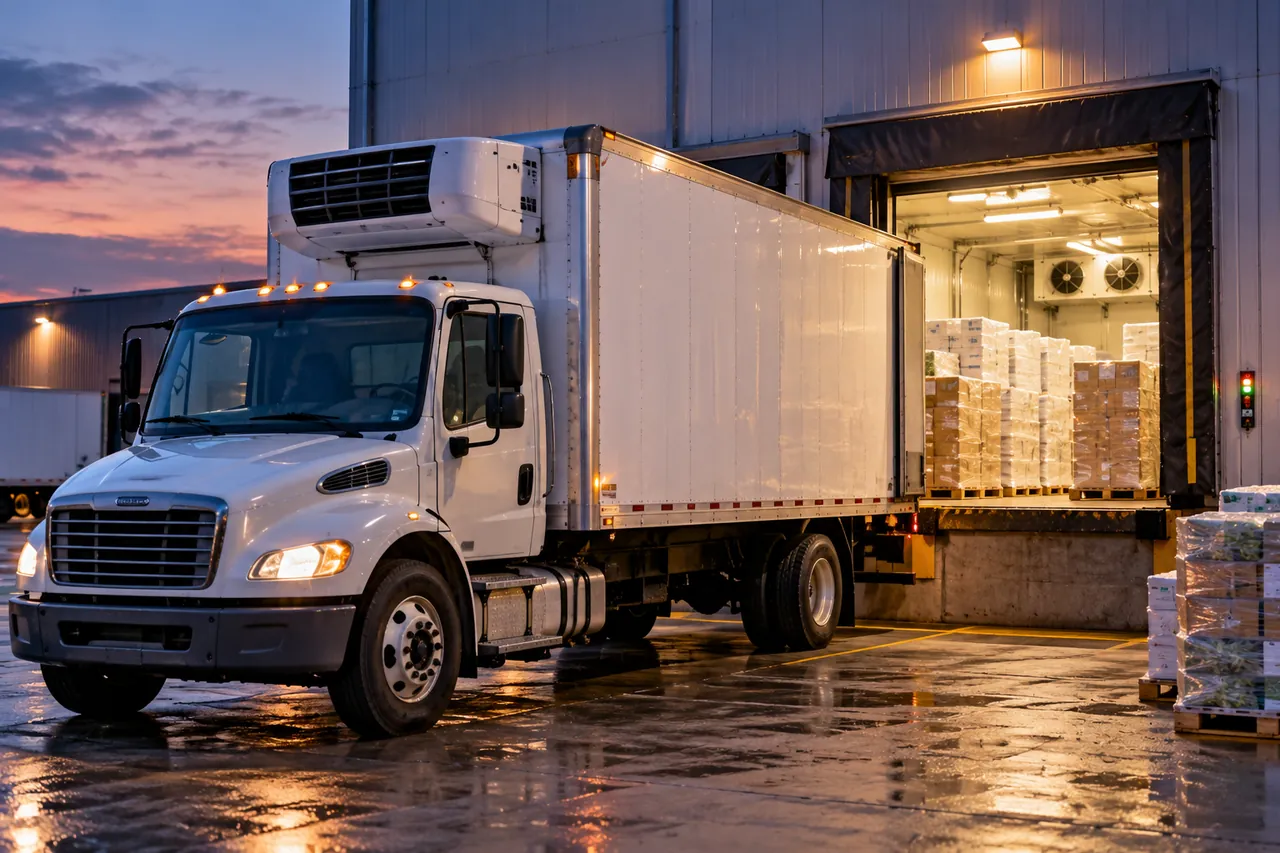
A reefer is a refrigerated vehicle, trailer, shipping container or ship, or the refrigeration unit that cools it. The word is short for refrigerator. A reefer has an insulated cargo space and an active refrigeration unit that holds a set temperature, typically between about −30 °C and +30 °C (−22 °F to 86 °F), for chilled and frozen goods.
Key takeaways
- A reefer is any refrigerated cargo carrier, truck, trailer, van, container or ship, or the refrigeration unit itself; the word is short for refrigerator.
- Reefer trailers and containers typically hold about −30 °C to +30 °C (−22 °F to 86 °F); reefer trucks and vans about −20 °C to +15 °C.
- Reefer units are engine-driven, self-powered diesel, electric, or, for containers on the road, fed by a diesel genset at 380–460 V.
- A multi temp reefer has 2–3 compartments, such as −18 °C frozen at the front and 0 °C to +4 °C chilled at the rear.
- A spread axle reefer has its rear axles about 10 ft (3 m) apart, which some jurisdictions allow to carry more weight.
- A reefer driver pre-cools the trailer, checks product pulp temperatures at pickup and keeps temperature records for the receiver.
What does reefer mean?
In transport and logistics, reefer meaning is simple: a reefer is anything refrigerated that moves cargo, a refrigerated truck, trailer, shipping container, van or ship, or the refrigeration unit that cools it. The word is a shortened, informal form of "refrigerator" or "refrigerated", spelled with a double "e", and it is used across trucking, ocean shipping and the wider cold chain.
A reefer is defined by two things: an insulated cargo space and an active refrigeration system that holds a set temperature, typically anywhere from about −30 °C to +30 °C (−22 °F to 86 °F). An insulated box without a working cooling unit is not a true reefer, although the word is sometimes stretched to cover one. Outside logistics, "reefer" is also slang for cannabis; in freight, it always means refrigerated equipment.
This page works as a glossary: what each reefer term means, how the main kinds differ and what reefer drivers do. For a full explanation of the refrigeration cycle inside a reefer unit, see how truck refrigeration units work.
What kinds of reefer are there?
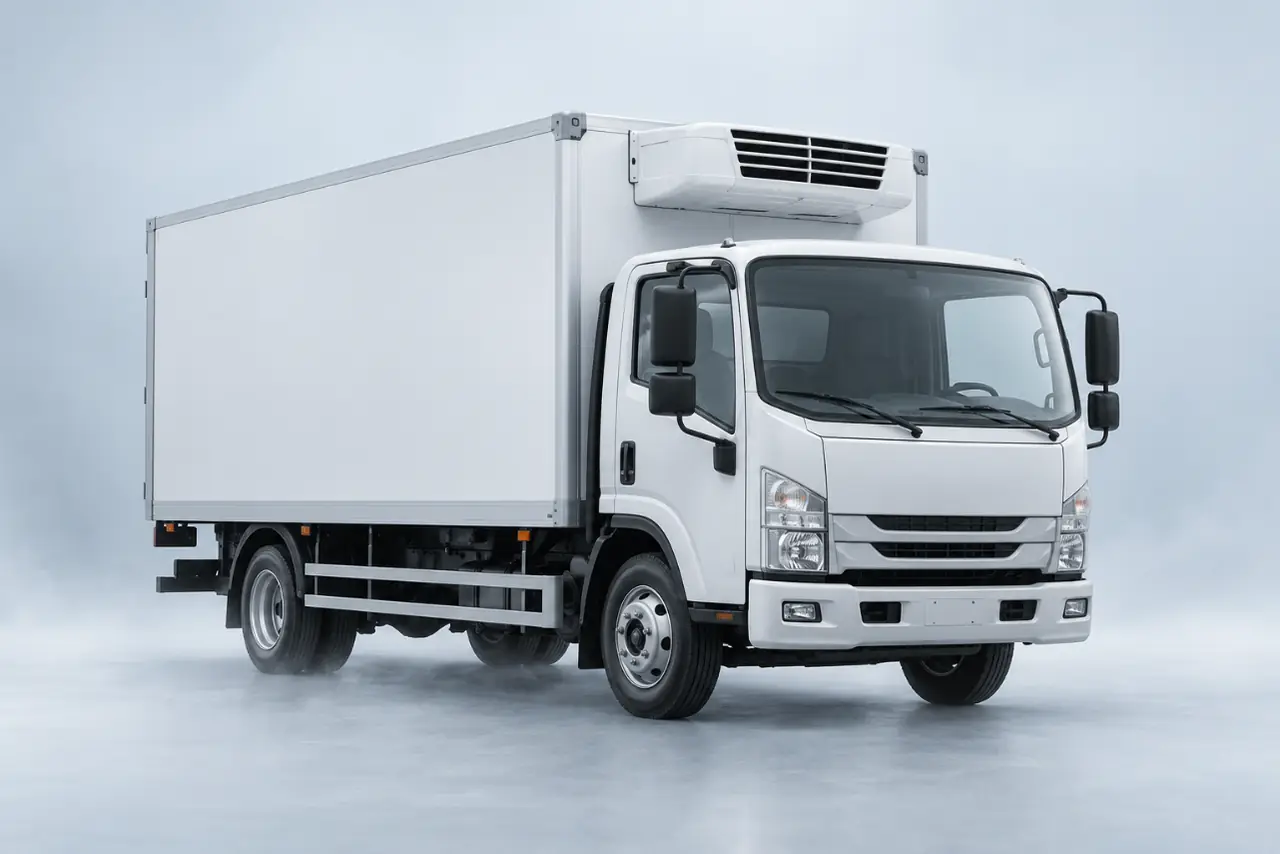
The main kinds of reefer are the reefer truck (a straight truck with a refrigerated box), the reefer trailer (a refrigerated semi trailer), the reefer van, the reefer container for intermodal and ocean freight, and the reefer ship. Each is named after the equipment it carries, but all use the same idea of insulation plus a refrigeration unit.
| Term | What it is | Typical size | Typical temperature range |
|---|---|---|---|
| Reefer van | Cargo van with insulated load space and a small refrigeration unit | 4–15 m³ (140–530 ft³) | −20 °C to +15 °C |
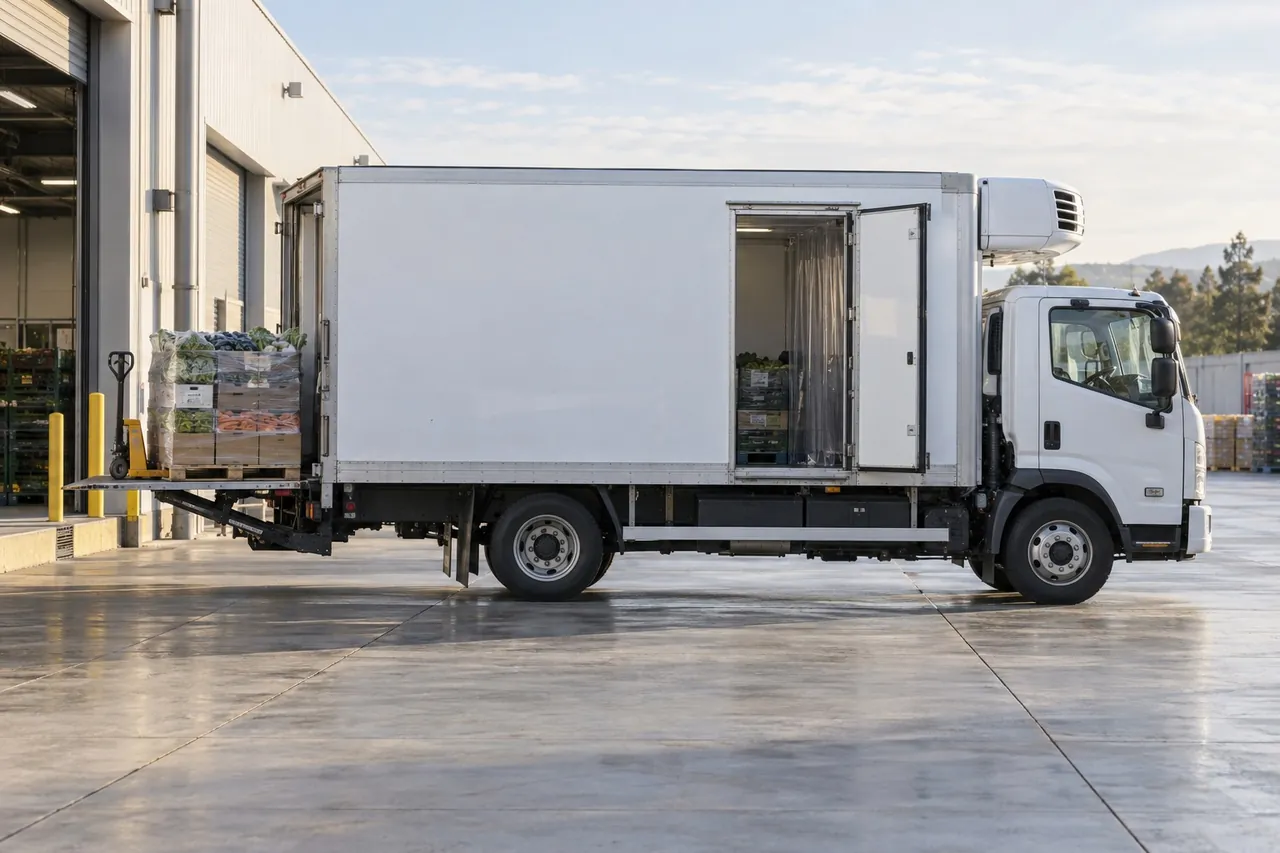
| Reefer truck, straight truck reefer | Rigid truck with an insulated box body and its own unit | 10–26 ft box, about 10–43 m³ | −20 °C to +15 °C (−4 °F to 59 °F) |
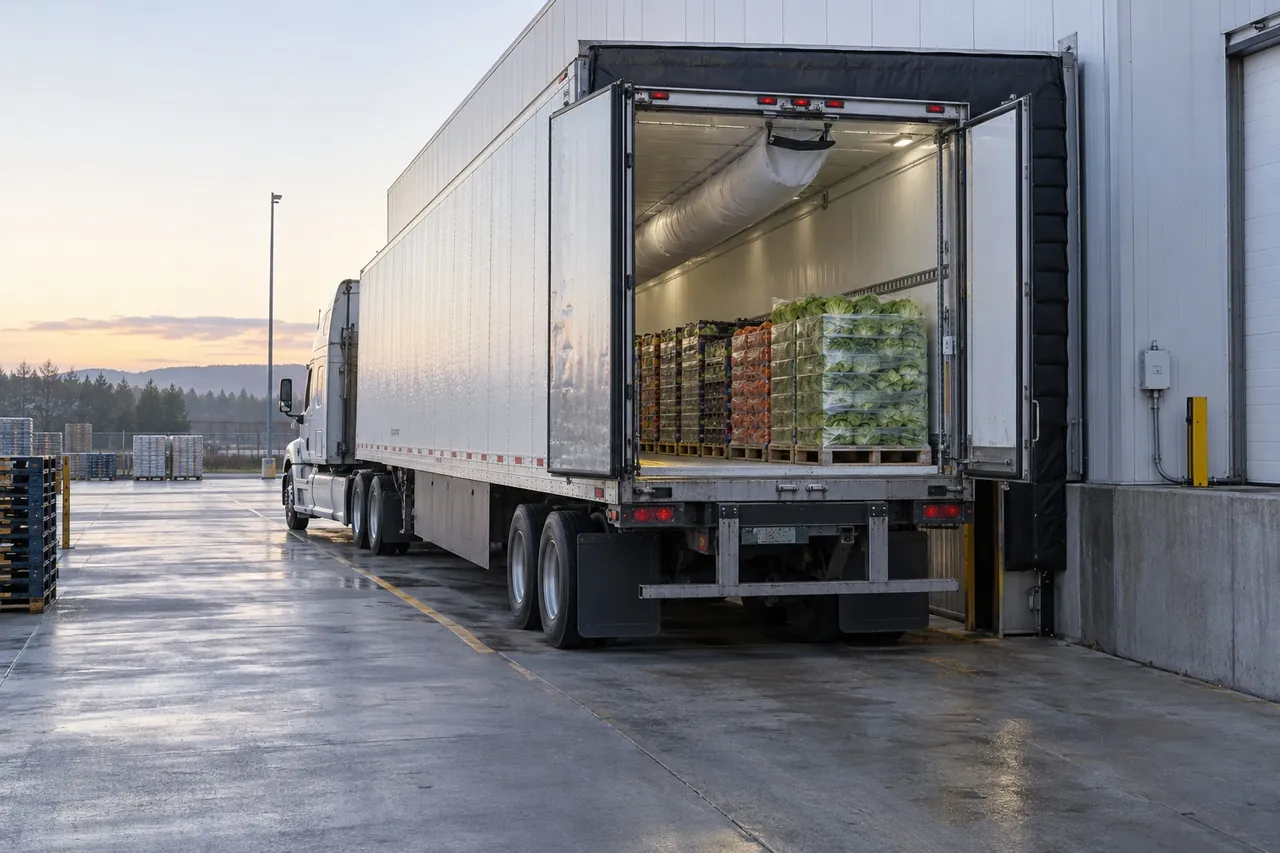
| Reefer trailer, semi reefer | Insulated semi trailer with a nose-mounted unit | 48–53 ft in the US; 13.6 m in Europe | About −29 °C to +30 °C (−20 °F to 86 °F) |
| Reefer container | ISO container with an integral unit, plugged in on ships, in terminals or to a genset | 20 ft and 40 ft high cube | About −30 °C to +30 °C (−22 °F to 86 °F) |
| Reefer ship | Cargo ship with refrigerated holds for bulk fruit, meat and fish | Several thousand pallets | Chilled and frozen |
| Reefer unit | The refrigeration machine itself, mounted on the vehicle or container | About 1–15 kW cooling | Set by the controller |
Most reefer ships have been replaced by container ships carrying thousands of plugged-in reefer containers. On land, the main split is between straight trucks for local delivery and semi reefers for long distance. For sizes, see our refrigerated box truck guide and reefer trailer guide.
What is a reefer truck?
A reefer truck is a truck whose cargo body is insulated and cooled by a refrigeration unit, so it can deliver chilled or frozen goods. In trucking slang, a truck reefer can mean either the whole vehicle or the refrigeration unit fitted to it, and "the reefer" on a truck usually means the unit.
- Straight truck reefer: a rigid truck, often called a box truck, with the box fixed to the chassis. It suits city and regional delivery with many stops.
- 10 ft reefer: a small reefer box, about 10 ft (3 m) long and 10–12 m³ (350–420 ft³), on a light truck or large van chassis, used for bakeries, florists, caterers and pharmacies.
- A box truck reefer unit is the refrigeration unit for a straight truck. It usually has a condenser on the front wall or roof and an evaporator inside the box, with the compressor driven by the truck's engine or by the unit's own engine or electric motor.
- Reefer truck meaning in dispatch: a "reefer load" is any shipment that must travel under temperature control, regardless of vehicle size.
A refrigerated reefer body is built from 50–100 mm (2–4 in) of foam insulation between hygienic skins. Thicker walls are used for frozen loads. For how to choose the unit size, see truck refrigeration unit sizing.
Diesel reefer, electric reefer and genset reefer: how is a reefer powered?
A reefer unit is powered in one of four ways: by the vehicle's engine (engine-driven), by its own diesel engine (a diesel reefer), by electricity from a battery, the vehicle or the grid (an electric reefer), or, for containers on the road, by a diesel generator set (a genset reefer). Many units also have electric standby so they can plug in at the depot.
| Power type | How it works | Typical use | Key point |
|---|---|---|---|
| Engine-driven (direct drive) | Compressor belt-driven from the vehicle engine | Vans and small trucks, 4–25 m³ | Cooling only while the engine runs, unless electric standby is fitted |
| Diesel (self-powered) | Unit has its own small diesel engine | Large trucks and semi reefers | Runs with the truck off; burns reefer fuel |
| Electric (eTRU) | Electric compressor fed by a battery pack, the vehicle's traction battery, an axle generator or shore power | Electric vans and trucks, urban delivery, low-noise zones | Quiet, no local exhaust; range planning needed |
| Genset | Clip-on or underslung diesel generator supplying 380–460 V three-phase to a reefer container | Containers on road chassis and rail | Container reefers have no engine of their own |
| Electric standby | Plug-in mains supply to the unit | Overnight pre-cooling at the depot | Saves fuel and noise |
"Reefer fuel" is the diesel burned by a self-powered reefer engine, which in the US may be dyed off-road diesel taxed differently from road fuel.
What is a multi temp reefer?
A multi temp reefer is a refrigerated truck or trailer divided into two or three insulated compartments, each held at its own temperature by separate evaporators run from one refrigeration unit. A typical setup is a frozen compartment at −18 °C to −25 °C at the front and a chilled compartment at 0 °C to +4 °C at the rear.
- Bulkheads: fixed or movable insulated walls separate the compartments, so the split can change between loads.
- Evaporators: one per compartment, each with its own controller setting and defrost.
- Capacity: the unit must be sized for both duties at once, with the frozen compartment usually setting the size.
- Uses: grocery and foodservice distribution, where one truck delivers ice cream, meat and produce on the same route.
What is a spread axle reefer?
A spread axle reefer is a refrigerated semi trailer whose two rear axles are set about 10 ft (3 m) apart instead of the usual 4 ft (1.2 m) closed tandem. In some US states and Canadian provinces the wider spacing allows more weight on the trailer axles, so spread axle reefers are popular for heavy loads such as meat, produce and drinks.
The trade-offs are heavier tyre scrub and wear in tight turns, and rules that differ between jurisdictions, so carriers check the weight allowances on every route. A semi reefer with a closed sliding tandem is more common for general refrigerated freight. For the dimensions of 53 ft reefers and the other trailer types, see semi trailer dimensions and types.
What is a reefer driver?
A reefer driver is a truck driver who hauls refrigerated freight. As well as driving, a reefer driver pre-cools the trailer, checks that product is at the right temperature before loading, keeps the unit running at the set point for the whole trip, and keeps temperature records that the receiver can check.
- Before loading: inspect the unit, check fuel, run a pre-trip check, set the temperature from the bill of lading and pre-cool the empty trailer.
- At pickup: check product pulp temperatures with a probe, refuse or note product that is too warm, check the load allows air to flow, and seal the doors.
- On the road: watch the unit's display and alarms, refuel the reefer tank, and keep door openings short at multi-stop deliveries.
- At delivery: provide the unit's temperature download if asked, and note any excursions on the paperwork.
Reefer work typically pays more than dry van work because of the extra responsibility, the more frequent waiting at temperature-controlled warehouses and the need to manage claims if cargo arrives out of range. Rules such as the US FSMA Sanitary Transportation of Human and Animal Food rule set expectations for vehicle condition, temperature control and records.
Reefer glossary: terms drivers and shippers use
These are the reefer terms you will meet most often in loading instructions, unit displays and temperature reports.
| Term | Meaning |
|---|---|
| Set point | The temperature the controller is told to hold, e.g. −18 °C (0 °F) for frozen |
| Return air | Air coming back from the load to the evaporator; the best indicator of load temperature |
| Supply (discharge) air | Cold air leaving the evaporator into the cargo space |
| Pulp temperature | Temperature measured inside the product, usually with a probe |
| Pre-cool | Running the empty body down to set point before loading |
| Continuous mode | Fans and unit run all the time; used for produce and sensitive loads |
| Start-stop mode | Unit cycles off when the set point is reached to save fuel; used for frozen loads |
| Defrost | Melting frost from the evaporator, by hot gas or electric heaters, on a timer or on demand |
| Load line | Red line marking the maximum height of cargo in reefer containers so air can circulate |
| Fresh air vent | Opening on a container reefer that lets in outside air to remove gases from fresh produce |
| PTI | Pre-trip inspection: an automatic test confirming the unit can reach and hold set points |
| Shore power, standby | Mains electricity used to run the unit when parked |
For how these fit into the wider chain from cold store to customer, see cold chain logistics explained.
Checklist: choosing reefer equipment for your fleet
- Size and route: van or 10 ft reefer for short urban routes, straight truck for regional multi-drop, semi reefer for long distance.
- Temperature: chilled only (0 °C to +8 °C) or frozen (−18 °C to −20 °C), and whether you need multi-temp compartments.
- Power: engine-driven for small vans, diesel self-powered for long hours with the engine off, electric for zero-emission zones, plus electric standby for depot pre-cooling.
- Door openings per day, which can double the cooling load on multi-drop routes.
- Insulation thickness of the box: 50–75 mm for chilled, 75–100 mm for frozen.
- Service support and spare parts in your market.
Be There supplies truck refrigeration units for reefer vans and straight trucks with 4–45 m³ boxes: engine-driven, independent diesel and fully electric models holding −20 °C to +15 °C (−4 °F to 59 °F), with install kits matched to your vehicle. We also supply PU and PIR insulation panels for cold rooms and insulated buildings. Check the cooling capacity you need with the truck refrigeration calculator, then send your vehicle, box size and temperature through the inquiry form for an FOB, CIF or DDP quote.