Short answer
Freezer pops are pasteurised, acidified flavoured liquids sealed in 30–100 ml plastic tubes, sold unfrozen and frozen later; stick ice pops are frozen at the factory in stainless molds in −25 °C to −30 °C brine for 15–25 minutes. Both should be stored at −18 °C (0 °F) or colder once frozen, ideally −20 °C to −25 °C in warehouses.
Key takeaways
- Freezer pops are flavoured liquid sealed in 30–100 ml (1–3.4 fl oz) film tubes and can be distributed unfrozen at room temperature.
- Tube pop syrups are pasteurised and acidified to below pH 4.6, typically pH 3–4, so the sealed product is shelf-stable.
- Stick ice pops freeze in brine at −25 °C to −30 °C in 15–25 minutes; a 4-mold machine makes about 400–600 pops an hour.
- A typical 30–45 ml sugar-sweetened freeze pop contains roughly 4–8 g of sugar and 15–30 kcal; check the label for exact values.
- WHO reduced-osmolarity ORS contains about 75 mmol/L sodium and 75 mmol/L glucose (245 mOsm/L), a reference for rehydration pops.
- Store frozen pops at −20 °C to −25 °C (−4 °F to −13 °F) in warehouses and −18 °C (0 °F) or colder in retail display.
What are freezer pops?
Freezer pops are sweetened, flavoured liquids sealed in thin plastic film tubes, usually 30–100 ml (1–3.4 fl oz) each, that are sold unfrozen or frozen and eaten by pushing the frozen contents up out of the tube. Because the sealed liquid is pasteurised and acidic, unfrozen freezer pops can be shipped and stored at room temperature and frozen later by the retailer or the customer.
The same product goes by many names: freeze pops, freezie pops, pop ice, ice ice pops or simply tube ice pops. They are different from stick ice popsicles, which are frozen solid in a mold around a wooden stick at the factory and must stay frozen all the way to the customer. That one difference, ambient versus frozen distribution, decides the equipment, packaging and cold chain a producer needs.
This guide explains how both formats are made commercially, how electrolyte, organic and fruit-juice versions differ, and what equipment and cold storage a producer needs. If you are planning a stick-popsicle shop or small factory, our popsicle business guide covers output, molds and start-up costs in more detail.
How are freezer pops different from stick ice pops?
Freezer pops are filled liquid into film tubes and frozen after sale; stick ice pops are frozen in stainless molds at the factory and distributed frozen. Freezer pops cost less to ship and store, while stick pops offer more shapes, layers, coatings and premium positioning.
| Feature | Tube freezer pops | Stick ice pops (popsicles) | Push pops / cup pops |
|---|---|---|---|
| Typical size | 30–100 ml (1–3.4 fl oz) | 50–120 ml (1.7–4 fl oz) | 60–120 ml |
| How it is frozen | After sale, in a retail or home freezer, or in a blast freezer for frozen sale | At the factory in a brine-tank popsicle machine or freezing tunnel | At the factory, filled into plastic push tubes or cups |
| Distribution | Ambient (unfrozen) or frozen | Frozen at −18 °C (0 °F) or colder | Frozen |
| Key equipment | Mix tank, pasteuriser, tube form-fill-seal machine | Mix tank, pasteuriser, popsicle machine, molds, wrapping, hardening freezer | Filler, lidding or capping, freezer |
| Product range | Water ice, juice, electrolyte | Water ice, fruit, dairy, coated, layered, with inclusions | Sherbet, ice cream, water ice |
| Typical retail format | Boxes of 10–100, multipacks, bulk freeze pops | Singles, multipacks, artisanal singles | Multipacks |
The search term frozen ice pops covers both, but buyers usually mean one or the other: a supermarket shopper looking for a box of ice pops typically means tube pops, while a café or gelato shop wanting an ice popsicle maker typically means stick pops.
How are freezer pops made commercially?
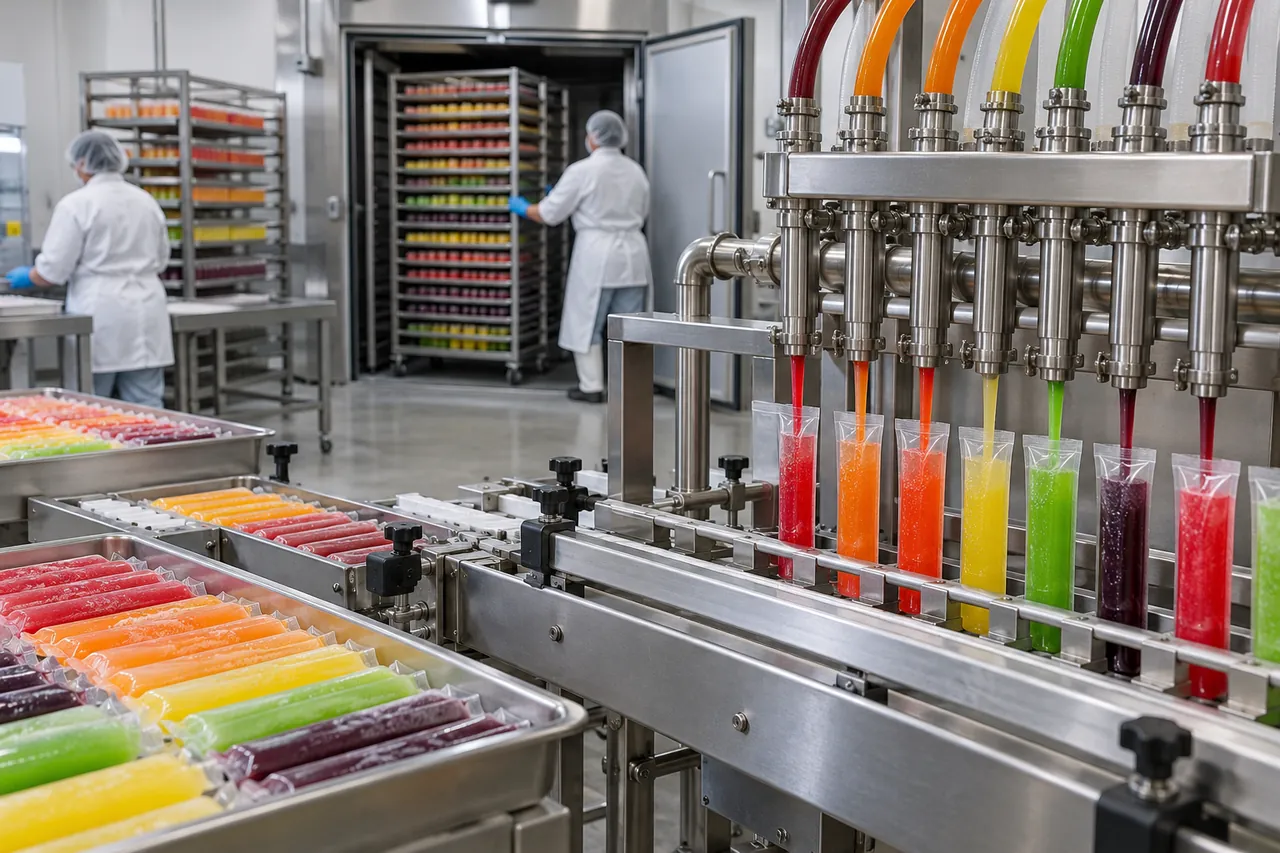
Freezer pops are made by mixing a syrup of water, sugar or sweetener, acid, flavour and colour, pasteurising it, then filling it hot or cold into a continuous strip of plastic film that a machine forms into tubes, seals, codes and cuts into sheets. The sealed pops are cooled, boxed and shipped at room temperature.
- Batching: dissolve sugar and other ingredients in treated water in a stainless mixing tank; check sugar content with a refractometer and acidity with a pH meter.
- Acidification: adjust pH, usually with citric acid, to below 4.6 so the sealed product is not a low-acid food; many producers target pH 3–4 for flavour and stability.
- Pasteurisation: heat the syrup, for example in a plate or tubular pasteuriser, and fill hot or fill after pasteurising into clean film, following a validated process.
- Form, fill and seal: the tube machine heat-seals printed polyethylene or laminated film into tubes, fills each one with a measured dose, then seals across the top.
- Cooling and inspection: pops are cooled in water or air, checked for seal integrity and fill weight, and date-coded.
- Packing: sheets of tubes are cut, boxed or bagged and palletised for ambient distribution or sent to a freezer for frozen sale.
| Equipment | Purpose | Sizing guide |
|---|---|---|
| Water treatment | Filtration, softening or RO, UV | About 1.2× daily product volume |
| Mixing tank with agitator | Dissolve sugar and ingredients | One shift's volume per batch, e.g. 200–1,000 L |
| Pasteuriser | Heat treatment of syrup | Matched to filler speed in L/h |
| Tube form-fill-seal machine | Make, fill, seal and cut tubes | From a few thousand to tens of thousands of tubes per hour |
| Cooling tunnel or bath | Bring sealed pops to ambient | Matched to filler output |
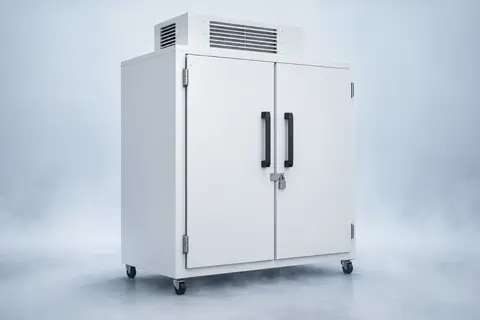
| Blast freezer or freezer room (frozen sale only) | Freeze and store at −18 °C to −25 °C | Daily output plus 3–7 days of stock |
Tube filling machines come from food packaging machinery suppliers; the refrigeration side, freezing and frozen storage, is where a cold chain supplier comes in.
How are stick ice pops made?
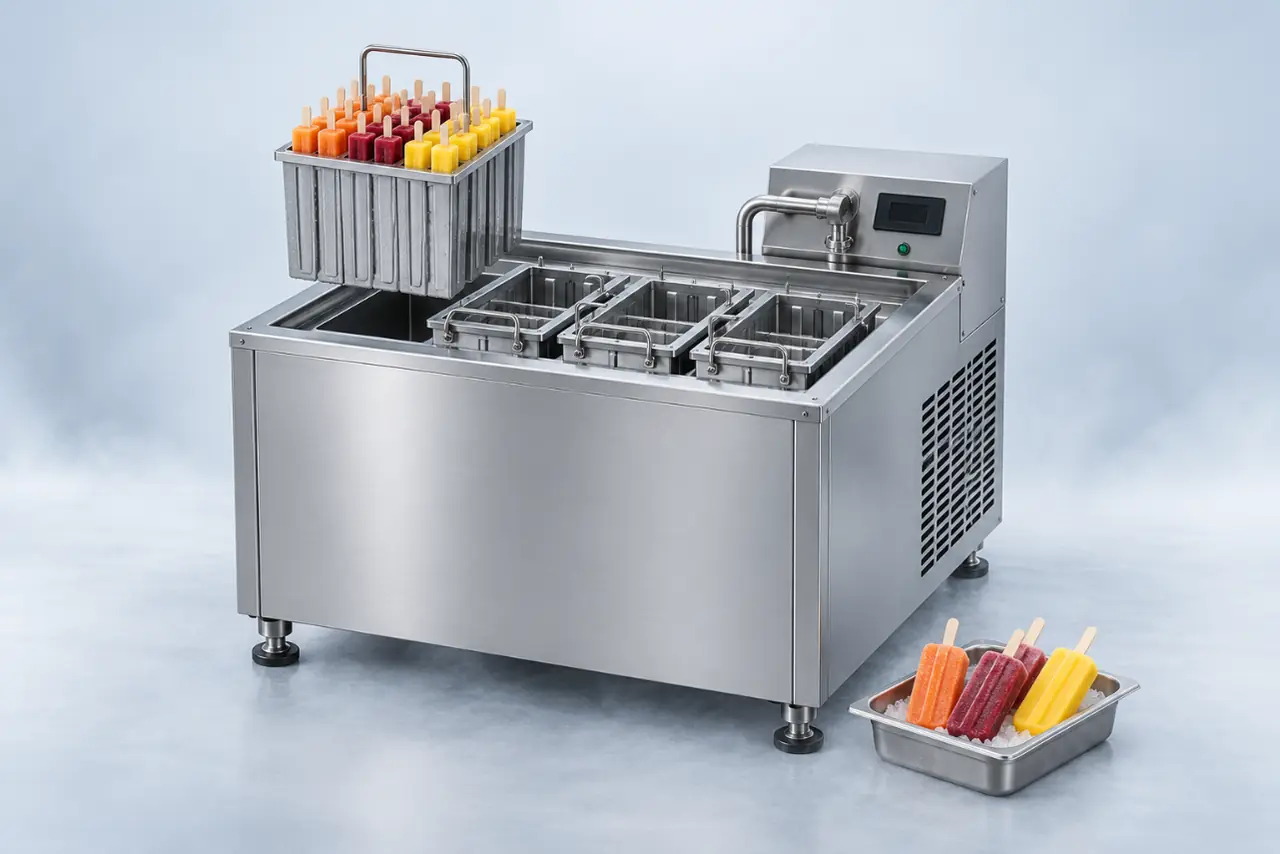
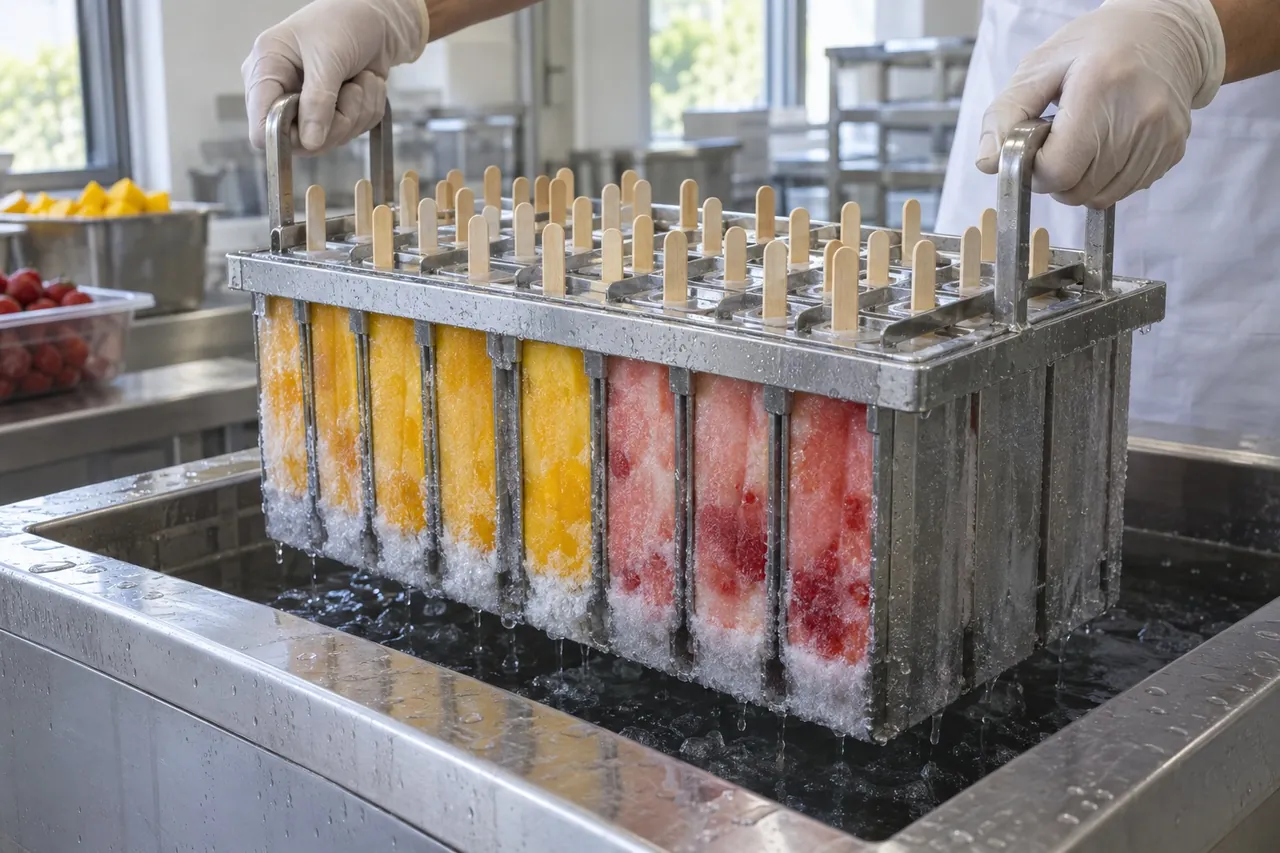
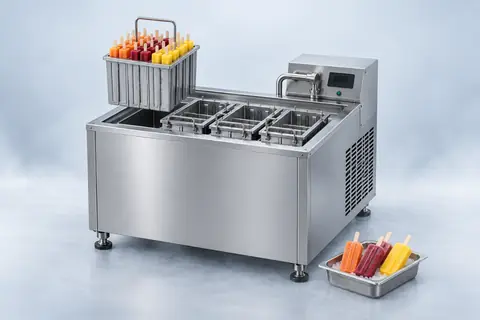
Stick ice pops are made by filling stainless steel molds with chilled mix, freezing them in calcium chloride brine at about −25 °C to −30 °C (−13 °F to −22 °F) for roughly 15–25 minutes, inserting sticks once the edges set, then dipping the molds briefly in warm water to release the pops for wrapping. A 4-mold brine machine with 40-stick molds makes about 400–600 popsicles an hour.
Brine freezing is fast, which keeps ice crystals small and the texture smooth, and the stainless molds give clean shapes for fruit pieces, layers and chocolate dipping. Production lines then flow-wrap each pop and send it to a hardening freezer at −25 °C (−13 °F) or colder before storage. For mold sizes, sticks and cavity volumes, see our popsicle molds guide; for how brine machines compare with soft serve and batch freezers, see commercial ice cream machines.
Brine machines are also used to freeze filled push-up tubes and small cup pops when a producer wants frozen-only products without a large freezing tunnel.
What are electrolyte popsicles and hydrating ice pops?
Electrolyte popsicles are ice pops formulated with sodium, potassium and other salts plus a measured amount of sugar, so they help replace fluids and electrolytes lost through sweating, heat or mild illness. They are made like ordinary freezer pops or stick pops; the difference is the recipe and the claims on the pack.
Many rehydration pops are modelled on oral rehydration solution (ORS). The WHO reduced-osmolarity ORS formula, for reference, contains per litre about 75 mmol sodium, 20 mmol potassium, 65 mmol chloride, 10 mmol citrate and 75 mmol glucose, for a total osmolarity of 245 mOsm/L. Products sold for sports or everyday hydration often contain less sodium and more sugar for taste.
- Formulation: salt levels change freezing behaviour and taste; balance with flavour and acid, and test texture at −18 °C (0 °F).
- Claims: words like "hydrating", "rehydration" or "for dehydration" may be regulated health or medical claims. In the US, check FDA labelling rules; in the EU, Regulation (EC) 1924/2006 on nutrition and health claims applies.
- Children: electrolyte popsicles for kids and ice pops for dehydration are popular with parents, but medical guidance for a sick child should come from a health professional, and pack copy should not imply otherwise.
How are organic and all natural ice pops different?
Organic freezer pops and organic ice pops use certified organic ingredients and a certified production process, such as the USDA National Organic Program in the US or Regulation (EU) 2018/848 in Europe, while "all natural" or "100% fruit juice" pops make a recipe claim that has to match the ingredient list. The equipment is the same; the sourcing, segregation and paperwork are not.
- 100% juice pops have less control over sugar content, so texture varies between fruit batches; check Brix and adjust with blends.
- Natural colours from fruit and vegetable extracts can fade with light and heat; opaque or printed film protects them.
- Lower-sugar recipes freeze harder and icier; fibres, fruit purée and small amounts of stabiliser keep them bitable.
- Organic certification needs separate storage, cleaning records and an audit trail from ingredient to finished box.
How much sugar is in a freeze pop?
A typical sugar-sweetened freeze pop of about 30–45 ml (1–1.5 fl oz) contains roughly 4–8 g of sugar and about 15–30 kcal; carbohydrates in ice pops are almost all sugar, so carbs are close to the sugar figure. Larger 100 ml pops contain proportionally more, and sugar-free versions use sweeteners instead. Always check the nutrition panel for the exact figure.
For producers, sugar is not only sweetness. Dissolved sugar lowers the freezing point and controls hardness: a syrup at about 10–15% sugar starts to freeze at roughly −0.6 °C to −1 °C (about 30–31 °F) and stays bitable at freezer temperature, while very low-sugar syrups freeze into hard, crunchy ice.
What flavor are pink ice pops?
Pink freeze pops and pink ice pops have no single standard flavour; depending on the maker they are usually fruit punch, strawberry, watermelon, raspberry, cherry or pink lemonade. The flavour is printed on the tube or box. Producers choose their own colour code, so state the flavour clearly on every tube.
Where can you buy ice pops in bulk?
Retail shoppers find freezer pops in supermarket frozen and snack aisles; businesses buying bulk freeze pops for schools, events or resale use cash-and-carry wholesalers, food distributors or direct supply from producers. Larger buyers such as event caterers and chains sometimes commission private-label products from a contract producer.
How should ice pops be frozen and stored?
Ice pops should be frozen fast and stored at −18 °C (0 °F) or colder, ideally −20 °C to −25 °C (−4 °F to −13 °F) for warehouse storage, and kept steady through distribution. Unfrozen freezer pops can be stored at room temperature until the use-by date; once frozen, keep them frozen.
| Stage | Typical temperature | Approx. time | Equipment |
|---|---|---|---|
| Brine freezing of stick pops | Brine −25 °C to −30 °C (−13 °F to −22 °F) | 15–25 minutes per mold | Brine-tank popsicle machine |
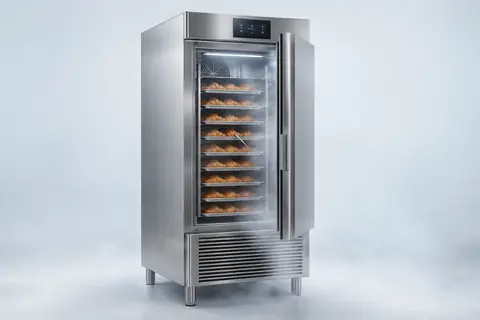
| Blast freezing boxed tube pops | Air −35 °C to −40 °C (−31 °F to −40 °F) | About 1–4 hours, depending on box size and stacking | Blast freezer or blast room |
| Freezing in a storage freezer | Air −18 °C to −24 °C (0 °F to −11 °F), still air | Many hours; overnight for full boxes | Chest or upright freezer |
| Hardening and warehouse storage | −20 °C to −25 °C (−4 °F to −13 °F) | Weeks to months | Freezer cold room |
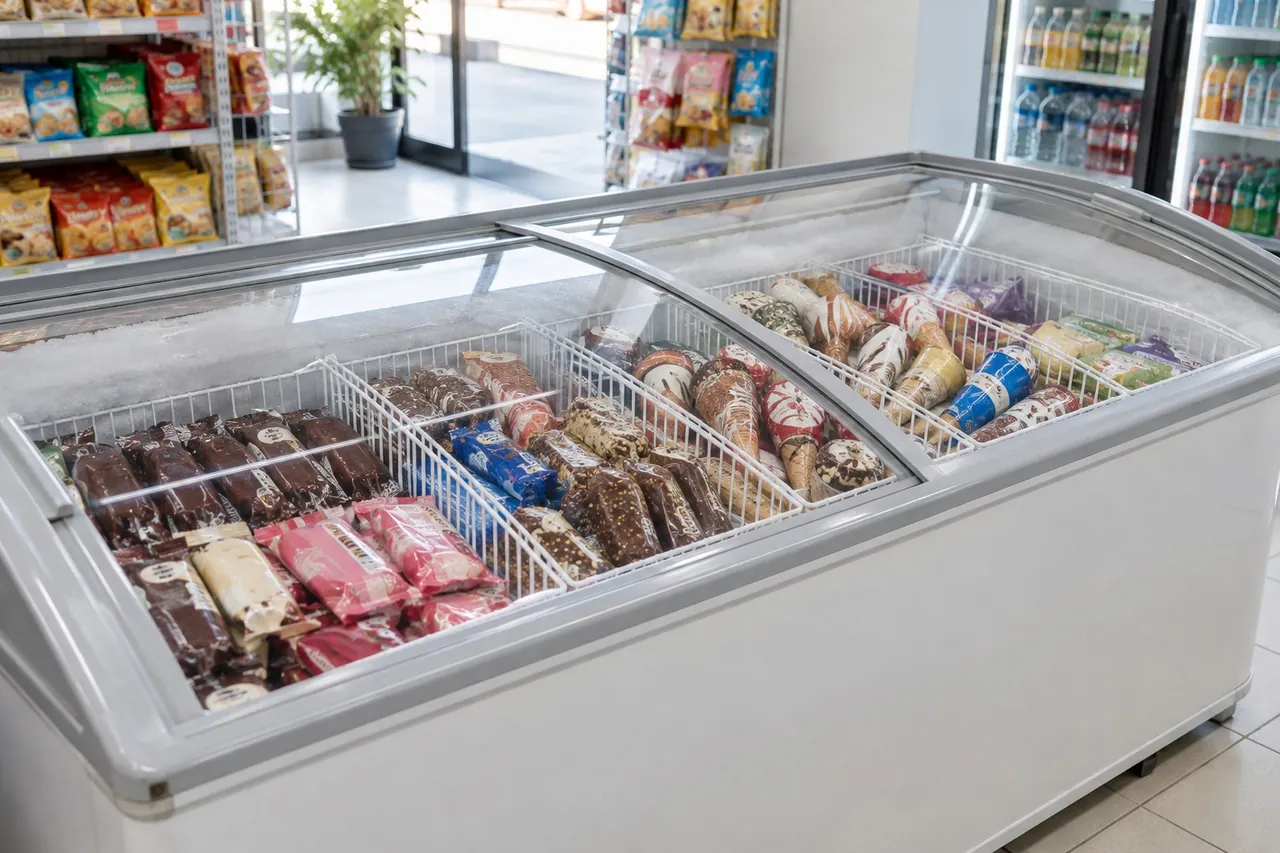
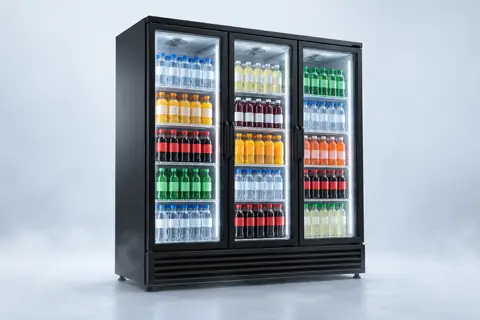
| Retail display | −18 °C (0 °F) or colder | Days to weeks | Glass-top or upright display freezer |
Slow freezing in a storage freezer gives larger ice crystals and can separate flavour and colour in the tube; fast freezing gives a smoother bite. Our guide to flash freezing explains why. In stores, glass-top chest freezers sell novelties best; see the ice cream freezer guide for display temperatures and layouts.
How to choose an ice pop production route
Choose tube freezer pops if you want low-cost ambient distribution and high volumes, and stick ice pops if you want premium, shaped or dairy products sold frozen. Then size equipment to your daily output.
- Format: tube pops (ambient or frozen) or stick pops (frozen only).
- Recipe: water ice, juice, organic or electrolyte; confirm pH, Brix and allowed claims for each market.
- Output: tubes or sticks per hour at peak season, with 20–30% spare capacity.
- Freezing: brine-tank machine for stick pops; blast freezer for boxed tube pops sold frozen.
- Storage: freezer cold room at −20 °C to −25 °C sized for 3–7 days of output.
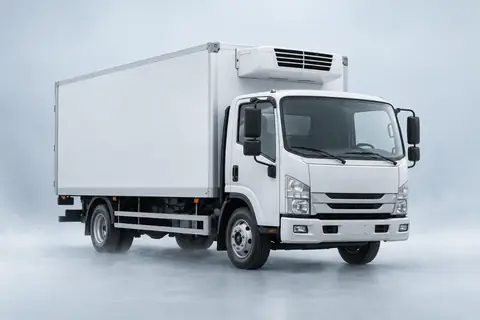
- Distribution: ambient trucks for unfrozen pops; refrigerated trucks and display freezers for frozen.
- Food safety: HACCP plan, validated pasteurisation, seal checks and batch coding.
Be There supplies brine-tank commercial popsicle machines and stainless steel molds (a 4-mold machine makes about 400–600 popsicles an hour), reach-in and roll-in blast freezers and blast rooms down to −35 °C, freezer cold rooms for hardening and storage, and glass-top display freezers for retail. We do not make tube form-fill-seal machines, but we size the freezing and storage around them. Send your format, daily output and power supply through the inquiry form and we will quote FOB, CIF or DDP.