
Short answer
An ice manufacturing business makes ice from treated drinking water, bags or blocks it, stores it at about −12 °C to −18 °C (10 °F to 0 °F) and delivers it to stores, bars and fisheries. Size ice machines at peak daily sales plus 25–30%, storage at 2–4 days of sales, and budget roughly 80–150 kWh of electricity per tonne.
Key takeaways
- A regional packaged ice plant typically runs 2–20 t (4,400–44,000 lb) of ice-making capacity a day plus bagging, cold storage and delivery trucks.
- Cube ice suits retail bags, flake ice (1.5–2.2 mm, −5 °C to −8 °C) suits fish and processing, and block ice suits boats and long-distance cooling.
- Size machines at peak-month daily sales plus 25–30% and storage at 2–4 days of peak sales.
- Store bagged ice steadily at about −12 °C to −18 °C (10 °F to 0 °F); temperature swings fuse cubes into lumps.
- Manual bagging handles up to about 2 t a day; automate bagging beyond about 3–5 t a day.
- Packaged ice is a food: US plants follow FDA cGMP rules in 21 CFR Part 117, EU plants Regulation (EC) 852/2004 and HACCP.
What is an ice manufacturing business?
An ice manufacturing business is a small food factory that makes ice from treated drinking water, packs it into bags or blocks, stores it frozen and delivers it to shops, petrol stations, bars, fisheries, events and construction sites. Unlike an ice vending kiosk, which sells direct to the public at one spot, a packaged ice plant produces centrally and sells through many outlets.
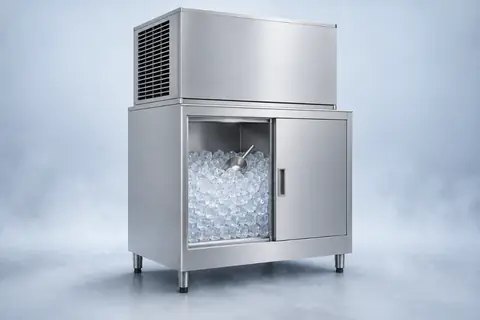
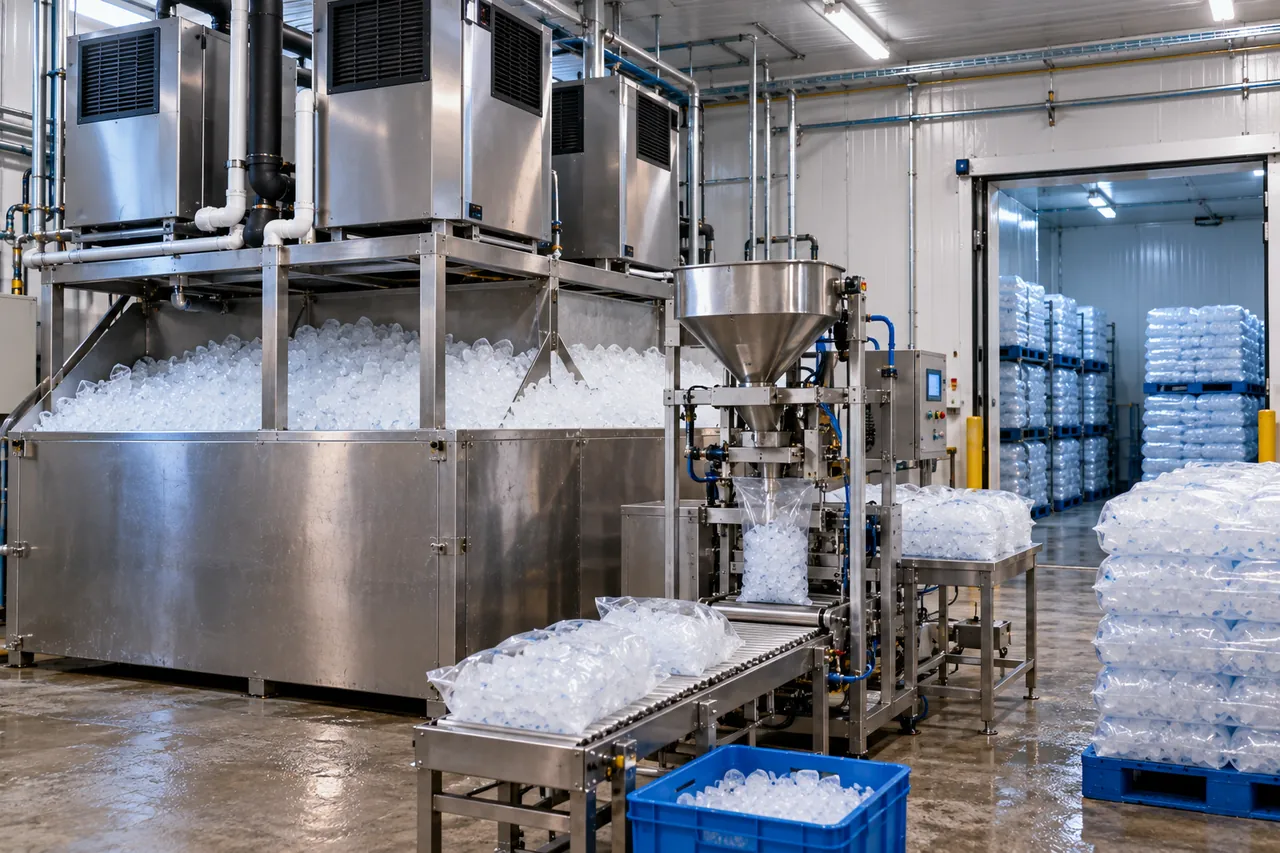
The model suits markets where summers are hot, retail freezer space is limited and buyers want reliable delivery. A typical regional ice manufacturer runs 2–20 t (4,400–44,000 lb) a day of ice machines, a bagging line, a cold room and a few refrigerated trucks. If you are weighing a single self-serve kiosk instead, read our ice vending machine business guide; this article covers the plant route.
There are three common business models, and most plants combine them:
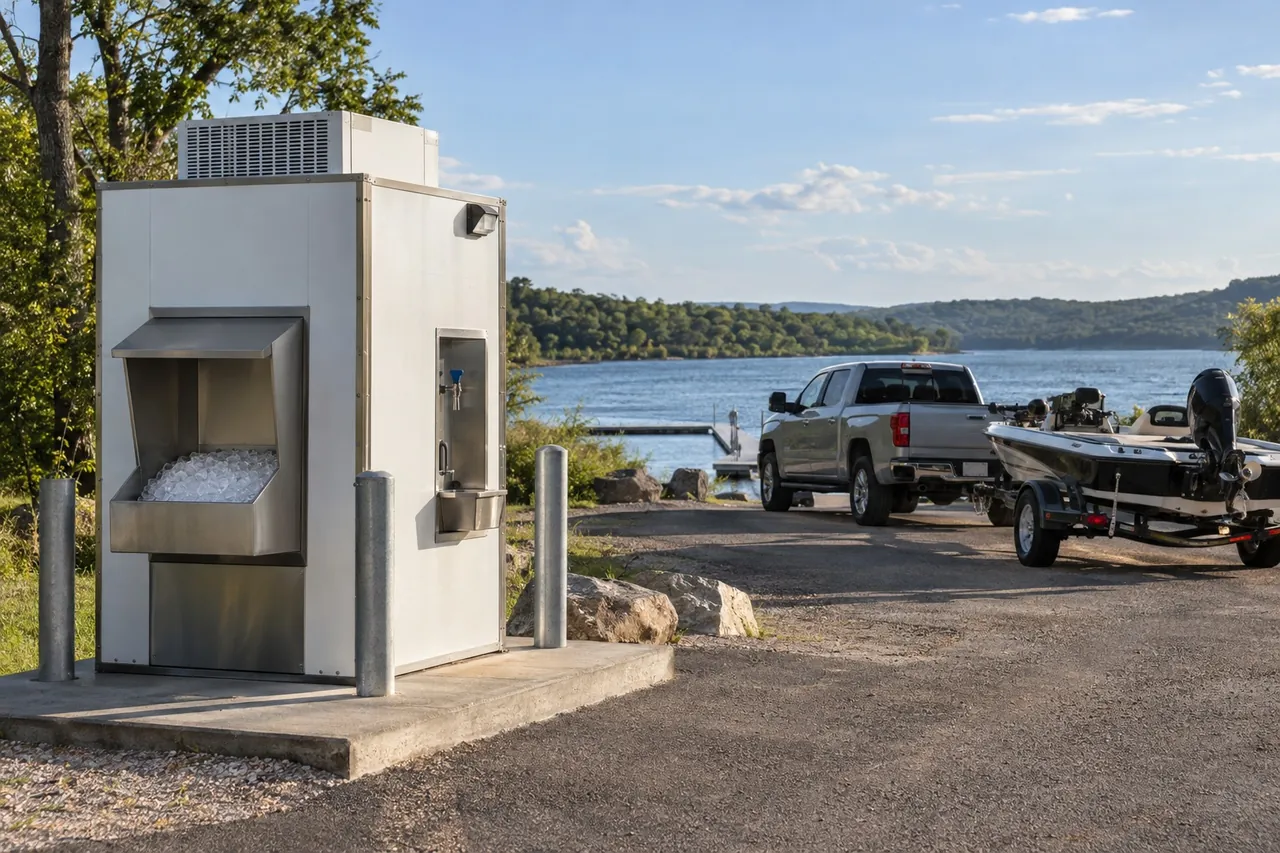
- Retail bagged ice: 2–10 kg (5–20 lb) bags supplied to stores and kept in lockable merchandisers at the point of sale.
- Bulk ice: 10–25 kg sacks or tote bins of cube or flake ice for restaurants, fish markets, food processors and events.
- Block ice: solid 5–150 kg blocks for fishing boats, cooling in markets without reliable power, ice carving and clear-ice cocktail cubes.
Which type of ice should an ice plant make?
Make the ice your customers already buy: cube ice for drinks and retail bags, flake ice for fish, meat and produce cooling, and block ice for boats, long-distance cooling and carving. Most new plants start with cube ice for retail and add flake or block ice once they have a bulk customer.
| Ice type | Main markets | Typical machine sizes | Bagging | Notes |
|---|---|---|---|---|
| Cube ice (full or half cube) | Retail bags, bars, hotels, events | 500–1,000 kg (1,100–2,200 lb) per head; plants run several heads | 2–10 kg retail bags | Slow-melting, clear, best retail appeal |
| Tube ice | Retail bags, drinks in hot climates | 1–50 t/day dedicated tube machines | Retail and bulk bags | Hollow cylinders; popular in South-East Asia and Africa |
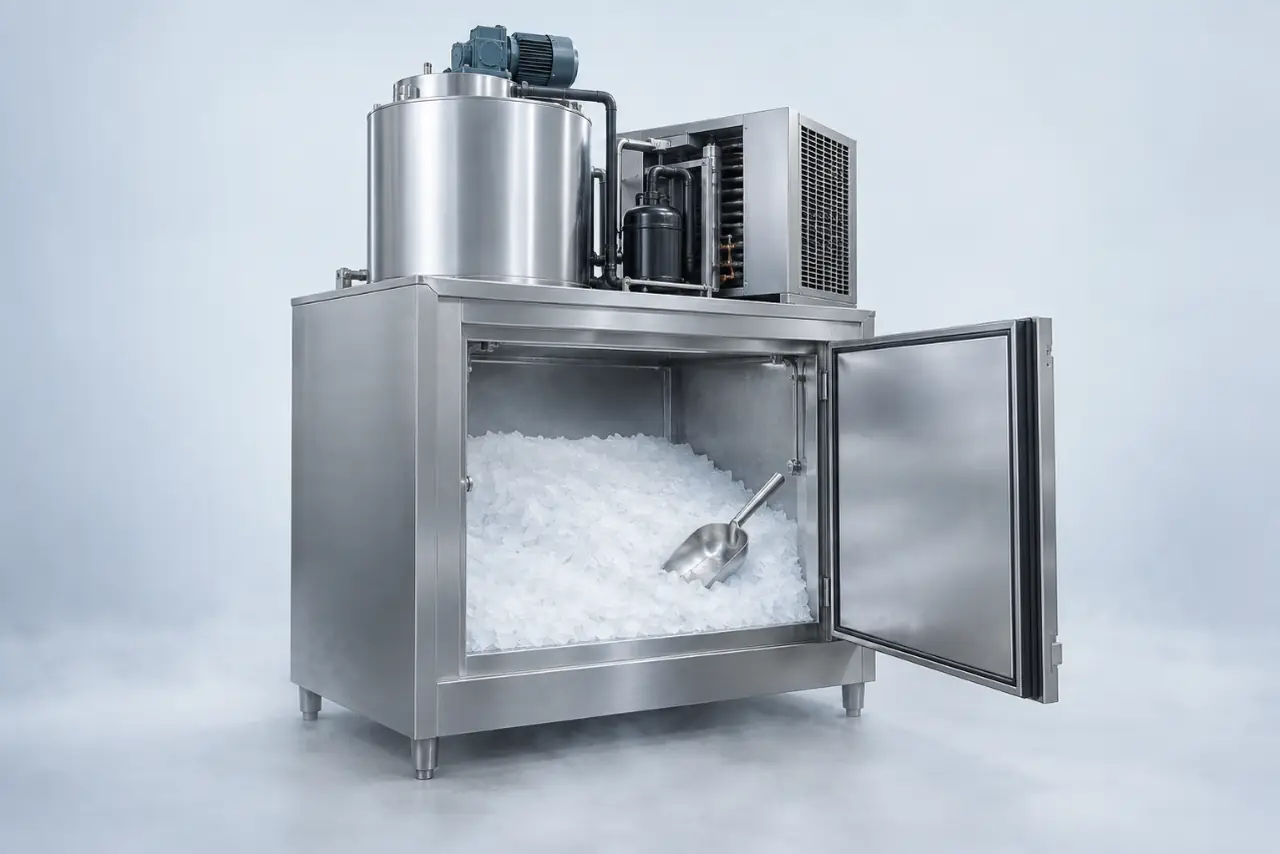
| Flake ice | Fisheries, supermarkets, food processing, concrete cooling | 300 kg to 20 t/day | Bulk sacks, totes, direct to hold | Dry flakes 1.5–2.2 mm at about −5 °C to −8 °C |
| Block ice | Fishing boats, markets, carving, clear-ice cocktails | 1–50 t/day brine or direct-cooling plants | Wrapped or loose blocks | Melts slowest per kg; needs crushing for many uses |
| Nugget ice | Healthcare, drive-throughs, specialty retail | 150–500 kg/day | Small premium bags | Soft, chewable; niche but growing |
Our guide to types of ice machines and ice shapes explains how each shape is formed. For fish and processing customers, see the flake ice machine guide, which covers seawater models and daily capacities.
What equipment does an ice factory need?
An ice factory needs water treatment, ice machines, an insulated collection bin, a bagging and sealing station, a cold storage room, retail merchandisers and refrigerated delivery vehicles. Every item must be sized to the same daily tonnage, or the slowest step limits the whole plant.
| Step | Ice factory equipment | Sizing rule of thumb |
|---|---|---|
| 1. Water treatment | Sediment and carbon filters, softener or reverse osmosis, UV steriliser | Rated flow at least 1.5× ice output; RO where TDS is high |
| 2. Ice production | Modular cube heads, flake machines, tube or block ice plant | Peak-season daily sales + 25–30% margin |
| 3. Collection | Insulated ice bin or hopper, stainless or food-grade plastic | Hold 4–8 hours of production |
| 4. Bagging | Ice bag holder or rack, scale, heat sealer; semi-automatic ice bagger; fully automatic ice packaging machine | Manual up to about 2 t/day; automate beyond 3–5 t/day |
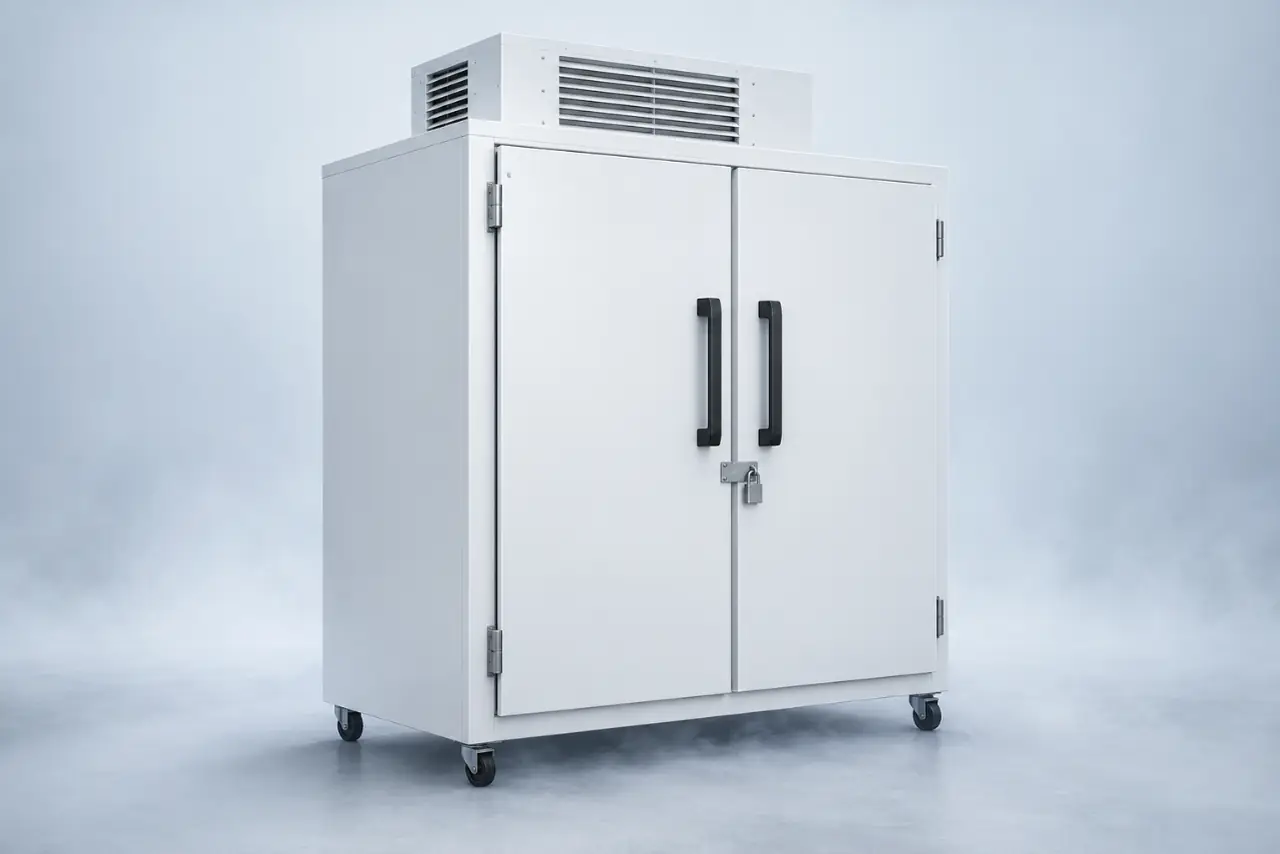
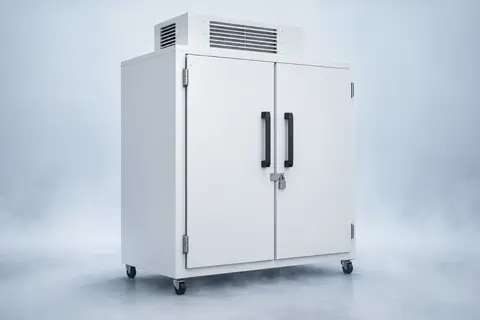
| 5. Storage | Freezer cold room or ice bag freezer at about −12 °C to −18 °C (10 °F to 0 °F) | 2–4 days of peak sales |
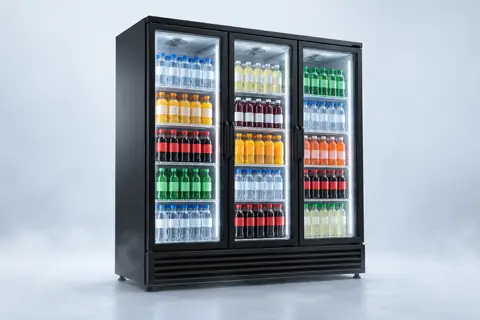
| 6. Retail | Lockable bagged ice merchandisers, indoor or outdoor | One-delivery cycle of stock per outlet |
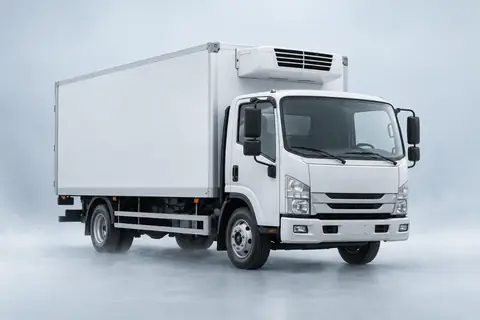
| 7. Delivery | Insulated box trucks or vans with refrigeration units | Route volume per day ÷ trips |
Bagging: manual, semi-automatic or automatic?
A trained worker with an ice bag holder, scale and heat sealer typically fills and seals roughly 100–200 bags an hour, which is enough for a plant producing up to about 2 t a day. A commercial ice bagging machine sits under the bin, weighs or measures each bag and seals it automatically, typically at several hundred to over a thousand bags an hour, and cuts labour and handling, which also improves hygiene. Use printed food-grade polyethylene bags showing net weight, producer name and address and any marks your market requires.
How is block ice made?
Block ice is made by freezing drinking water in metal molds, either in cans submerged in chilled brine at about −10 °C (14 °F) or in direct-cooling machines where refrigerant flows through the walls of aluminium or stainless molds. The ice block mold size sets the block weight, and freezing time rises steeply with block thickness.
Heat must travel out through ice that has already formed, so freezing time grows roughly with the square of the block's thickness: doubling the thickness takes about four times as long. That is why small blocks freeze in hours and large brine-can blocks can take a day or more.
| Block ice method | Typical block sizes | Typical freezing time | Pros | Cons |
|---|---|---|---|---|
| Brine-tank (can) ice plant | 25–150 kg (55–330 lb) | About 12–48 hours depending on size | Simple, proven, large blocks | Brine is corrosive; manual can handling; slow |
| Direct-cooling block ice machine | 5–50 kg (11–110 lb) | Hours rather than days for small blocks | No brine, cleaner, faster harvest by hot gas | Higher equipment cost per tonne |
| Clear ice block maker (directional freezing or agitation) | Typically 10–150 kg clear blocks | Often 1–3 days | Crystal-clear blocks for carving and cocktails | Low output; premium niche |
Square ice block molds and big ice block molds for carving are standard in both brine and direct-cooling plants. A home ice block maker or tray mold produces small blocks for coolers but is not suitable for a commercial operation. Clear blocks need water that freezes from one side while air and minerals are pushed away, the same principle used by clear ice machines for cocktail bars.
How big should an ice plant be?
Size an ice plant from peak-month daily sales, plus a 25–30% margin for heat waves and machine downtime, then size storage to hold 2–4 days of peak sales. Ice demand is very seasonal, often several times higher in midsummer than in winter, so build storage to let the machines run 24 hours a day in the weeks before demand peaks.
Worked example: a start-up plans to supply 40 stores averaging 30 bags of 4.5 kg (10 lb) a day in summer, plus 600 kg of bulk ice to fish markets.
- Retail demand: 40 × 30 × 4.5 kg = 5,400 kg a day.
- Bulk demand: 600 kg a day, so total about 6.0 t (13,200 lb) a day.
- Add 25% margin: about 7.5 t a day of ice-making capacity, for example eight 1,000 kg cube heads or a mix of cube and flake.
- Storage for 3 days of peak sales: 18 t of bagged ice.
- Palletised bagged ice with aisles occupies roughly 250–350 kg per m³ of room volume, so plan a freezer room of about 50–70 m³ (1,800–2,500 cu ft).
Ice machine ratings are stated at standard test conditions; expect 15–25% less output in a hot plant room, which is why many plants use water-cooled or remote condensers. Our industrial ice machine capacity guide explains the rating conditions, and the cold room refrigeration load calculator helps size the storage freezer.
How cold should bagged ice be stored?
Bagged ice is usually stored in a freezer room at about −12 °C to −18 °C (10 °F to 0 °F) and sold from merchandisers at about −12 °C to −6 °C (10–21 °F). The goal is steady, cold storage: temperature swings cause partial melting and refreezing, which fuses cubes into solid lumps that customers reject.
- Bag ice quickly after harvest and freeze it hard in the store before stacking deep pallets.
- Stack with gaps for air flow and do not block the evaporator fans.
- Fit strip curtains or a fast door to the cold room; frequent openings with warm, humid air cause frost and bag clumping.
- Rotate stock first in, first out and set a temperature alarm.
At the store end, an auto-defrost, lockable merchandiser keeps bags free-flowing; the bagged ice merchandiser buying guide sizes them at about 1.4 ten-pound bags per cubic foot.
What food safety rules apply to packaged ice?
Packaged ice is a food, so an ice plant must use drinking-quality water, follow good manufacturing practice and run a HACCP-based food safety plan. In the US, the FDA regulates packaged ice under the current good manufacturing practice rules in 21 CFR Part 117; in the EU, Regulation (EC) 852/2004 on food hygiene applies, and water must meet drinking water standards.
- Test incoming water and ice regularly for microbiological quality, using an accredited laboratory.
- Treat water with filtration and UV or similar disinfection, and change filters on schedule; see our ice machine water filter guide.
- Clean and sanitise ice machines, bins and bagging equipment on a written schedule, at least every 6 months and more often in dusty or hard-water plants.
- Keep staff in clean clothing, hair restraints and gloves; never handle ice with bare hands or use ice scoops left in the bin.
- Use food-grade, labelled bags and keep pallets off the floor.
- Keep records of cleaning, water tests, temperatures and batch codes so a complaint can be traced.
Many US producers also follow the packaged ice quality standards published by the International Packaged Ice Association; retail chains may require third-party audits before listing your ice.
How much does it cost to start an ice making business?
An ice making business producing a few tonnes a day typically needs tens of thousands to a few hundred thousand US dollars for equipment, cold storage and vehicles, before building, permits and working capital. These are indicative ranges only; capacity, automation, local construction and electricity prices change the total.
| Cost item | What drives it | Typical share of running costs |
|---|---|---|
| Electricity | Roughly 80–150 kWh per tonne of ice depending on machine size, condenser type and climate, plus the storage freezer | Often the largest variable cost |
| Water | About 1.1–1.5 L per kg for cube ice (some water is flushed), close to 1:1 for flake | Usually small unless water-cooled condensers are used |
| Bags and labels | Bag size, print, film thickness | Significant per bag; buy by the pallet |
| Labour | Manual vs automatic bagging, delivery staff | High on manual lines |
| Delivery | Route length, drops per day, truck refrigeration | Often second to electricity |
| Merchandisers | Often placed in stores at the plant's cost | Capital cost spread over contracts |
Buying an ice business for sale
If you are looking at an ice business for sale or an ice company for sale instead of starting from zero, check the age and refrigerant of every ice machine and cold room, real output against nameplate, the condition of the merchandiser fleet, the length of store contracts and whether delivery trucks will pass their next inspection. Equipment near the end of its 7–10 year service life can quickly erase the value of an existing customer list.
Delivery vehicles need insulated bodies and properly sized refrigeration; our reefer truck guide covers box sizes from 10 to 26 ft.
How to plan your ice manufacturing equipment
Plan the plant backwards from the customer: confirm who buys, which ice and bag sizes, and peak-day tonnage, then size every step to match.
- Market: retail bags, bulk sacks, block ice or a mix; agree trial volumes with first customers.
- Ice type: cube for retail, flake for fish and processing, block for boats and long cooling.
- Capacity: peak-month daily sales plus 25–30%, built from several machines for redundancy.
- Water: test results, treatment design and drain capacity.
- Bagging: manual to about 2 t/day; semi or fully automatic beyond 3–5 t/day.
- Storage: 2–4 days of peak sales at −12 °C to −18 °C, with a fast door or strip curtains.
- Retail and delivery: merchandisers per outlet and refrigerated trucks per route.
- Compliance: food business registration, HACCP plan, water testing and bag labelling.
Be There supplies modular cube ice machines of 50–1,000 kg per day per head and flake ice machines from 300 kg to 20 t per day, freezer cold rooms for bagged ice storage, lockable indoor and outdoor ice merchandisers holding about 30–100 ten-pound bags, and truck refrigeration units for delivery. We do not manufacture block or tube ice plants or bagging machines, but we can size our equipment around them. Send your daily tonnage, ice type, power supply and site temperature through the inquiry form and we will quote FOB, CIF or DDP.